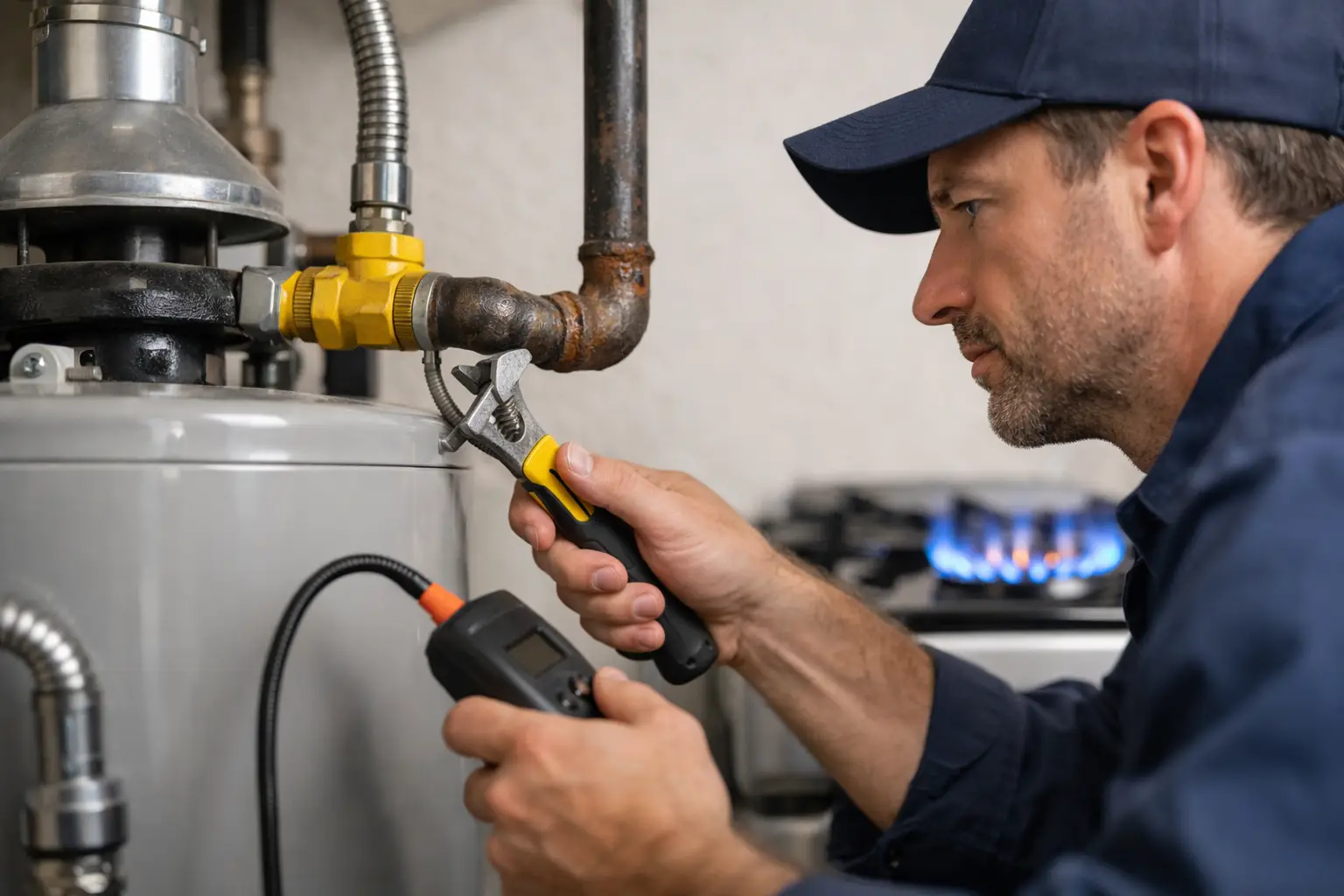
Learn when is gas repiping needed, the warning signs to watch for, and how a licensed gas specialist can keep your Miami property safe and dependable.
A gas line is easy to overlook when every appliance is working as expected. But when is gas repiping needed? The answer usually comes down to the condition, capacity, and safety of the piping that delivers natural gas through your home or commercial property. A professional evaluation can identify whether a focused repair is appropriate or whether replacing part or all of the gas piping is the safer long-term decision.
Gas repiping is not a routine upgrade to put off indefinitely, and it is not automatically required because a property is older. It becomes necessary when existing piping can no longer reliably serve connected appliances, has deteriorated, or does not meet the needs of a planned change. Acting early helps protect occupants, equipment, and the property itself.
Gas repiping may be recommended when a qualified gas professional finds recurring leaks, corrosion, improper previous work, inadequate line sizing, or aging materials that no longer provide dependable service. The scope can vary significantly. Some properties need one damaged section replaced, while others need a new gas piping system from the meter to individual appliances.
The decision should be based on an on-site assessment, not guesswork. A visible pipe may look acceptable while concealed connections, fittings, or underground portions of the system have problems that need closer attention. For commercial properties, the demands of kitchen equipment, water heating, standby generators, and other gas appliances also need to be considered together.
A sulfur-like or rotten-egg odor near a gas appliance, meter, or pipe is an urgent warning sign. If you smell gas, leave the area, avoid using electrical switches, flames, or devices that could create a spark, and contact emergency services or the gas utility from a safe location. Do not return until the area has been cleared.
Once the immediate situation is safe, a gas professional can determine the source and condition of the piping. One isolated issue may be repairable. Repeated leaks, multiple compromised areas, or deterioration across the system can make repiping the more dependable solution.
Corrosion, rust, physical impact, and environmental exposure can weaken gas piping over time. This is especially relevant where pipes run outdoors, through damp areas, underground, or in locations exposed to salt air and moisture. In South Florida, exterior conditions deserve close attention because heat, humidity, and coastal exposure can affect materials and connections.
Surface discoloration does not always mean the entire system has failed. Still, flaking material, visible deterioration, loose supports, damaged protective coatings, or compromised fittings should be inspected promptly. Replacing a deteriorated section before it becomes a larger safety concern is often the right call.
A gas appliance that struggles to perform may have an appliance-specific issue, but it can also point to a supply or sizing concern. Signs can include weak burner flames, appliances that shut down unexpectedly, inconsistent heating, or problems that begin after another gas appliance is added to the property.
A professional should inspect the full system before assuming the appliance is at fault. Gas lines must be properly sized for the total connected load and the distance gas must travel. If the existing line cannot support current demand, repiping with correctly sized piping may be needed to provide safe, reliable operation.
New gas ranges, dryers, tankless water heaters, pool heaters, outdoor kitchens, generators, and commercial cooking equipment can all change a property’s gas demand. A line that served two appliances well may not have enough capacity for several additional appliances.
This is one of the most common situations where partial repiping is needed. The project may involve extending a new branch line, increasing the size of a main line, relocating a connection, or redesigning the piping layout to serve equipment safely. Planning the gas work before installation helps avoid delays and prevents a new appliance from being connected to an undersized system.
One repair does not necessarily justify replacing an entire gas system. However, repeated repairs can signal a broader issue with the age, material condition, installation quality, or layout of the piping. Continually addressing one weak point after another can leave property owners with an unreliable system and ongoing disruption.
Repiping may offer a more practical path when repairs are becoming frequent or when access to the affected pipes is increasingly difficult. A properly planned replacement allows the system to be evaluated as a whole, with attention to supports, shutoff valves, appliance connections, routing, and future capacity.
Gas piping should never be treated as a general plumbing afterthought. Unsupported pipes, questionable connections, improper materials, missing shutoff valves, or lines routed in unsuitable locations can create safety and compliance concerns. These issues sometimes appear during a property inspection, renovation, appliance replacement, or after purchasing an older home or commercial building.
The correct remedy depends on what is found. A small correction may be enough in some cases. If there are widespread installation concerns, repiping affected areas may be the clearest way to bring the system into proper condition and support required inspections or permits.
Major renovations create a smart opportunity to evaluate hidden gas infrastructure. Once walls, ceilings, flooring, or exterior areas are opened, it may be easier to access old piping and plan improvements with less disruption. This is particularly valuable when changing a kitchen layout, converting a space for commercial use, or adding equipment that requires natural gas.
Repiping during a renovation is not always necessary. But if the existing piping is aging, poorly routed, undersized, or difficult to access later, completing the work as part of the larger project can provide better long-term reliability.
The right solution depends on the source of the problem. A targeted repair can make sense when the damage is isolated, the remaining piping is in good condition, and the system has adequate capacity. It is often the least disruptive option for a newer, otherwise dependable system.
Repiping becomes the stronger recommendation when the issue is widespread or likely to recur. It can also make sense when the system needs a capacity upgrade, when materials have reached the end of their useful service life, or when previous modifications have left the piping difficult to maintain or verify.
A reliable gas specialist should explain the findings clearly, identify the affected areas, and discuss why repair or replacement is being recommended. Property owners deserve a solution based on actual conditions, not unnecessary work.
A proper assessment begins with the property’s current gas use and future plans. The technician reviews connected appliances, pipe routing, visible conditions, shutoff locations, and signs of leaks or pressure-related concerns. For additions or renovations, the planned equipment load is also part of the evaluation.
If repiping is needed, the project should be designed around safe routing, correct pipe sizing, secure connections, and applicable local requirements. Depending on the scope and location, permits and inspections may be required. These steps are not paperwork for its own sake. They help confirm that the gas system is installed to support safe, dependable operation.
For homeowners and property managers in Miami, clear communication matters just as much as technical expertise. You should know what portion of the system is being addressed, how service may be affected during the work, and what testing will be completed before gas appliances are placed back into operation.
Gas piping concerns deserve timely attention, especially when you notice an odor, recurring repairs, corrosion, or are planning to add new natural gas equipment. Prestige Gas Services Corp can help evaluate your system and provide straightforward guidance for residential or commercial gas repiping needs. Request a professional assessment before a small concern becomes an interruption to the safe, reliable gas service your property depends on.
In this article
Discuss Your Gas Project
Contact Prestige Gas Services for natural gas and propane service in Miami-Dade and Broward counties. Request a free estimate.