Compare a gas line versus propane line for your Miami property, including fuel supply, piping, appliances, permits, safety, and professional planning.
A gas line versus propane line decision affects more than the pipe running to an appliance. It determines where your fuel comes from, how the system is regulated, which appliances can be used, and what a safe, code-compliant installation requires. For homeowners and property managers, understanding the difference early can prevent delays when planning a new range, water heater, pool heater, generator, or commercial kitchen upgrade.
Natural gas and propane can both provide dependable heat, but they are not interchangeable fuels. A qualified gas professional should evaluate the full system before installation, conversion, extension, or replacement work begins.
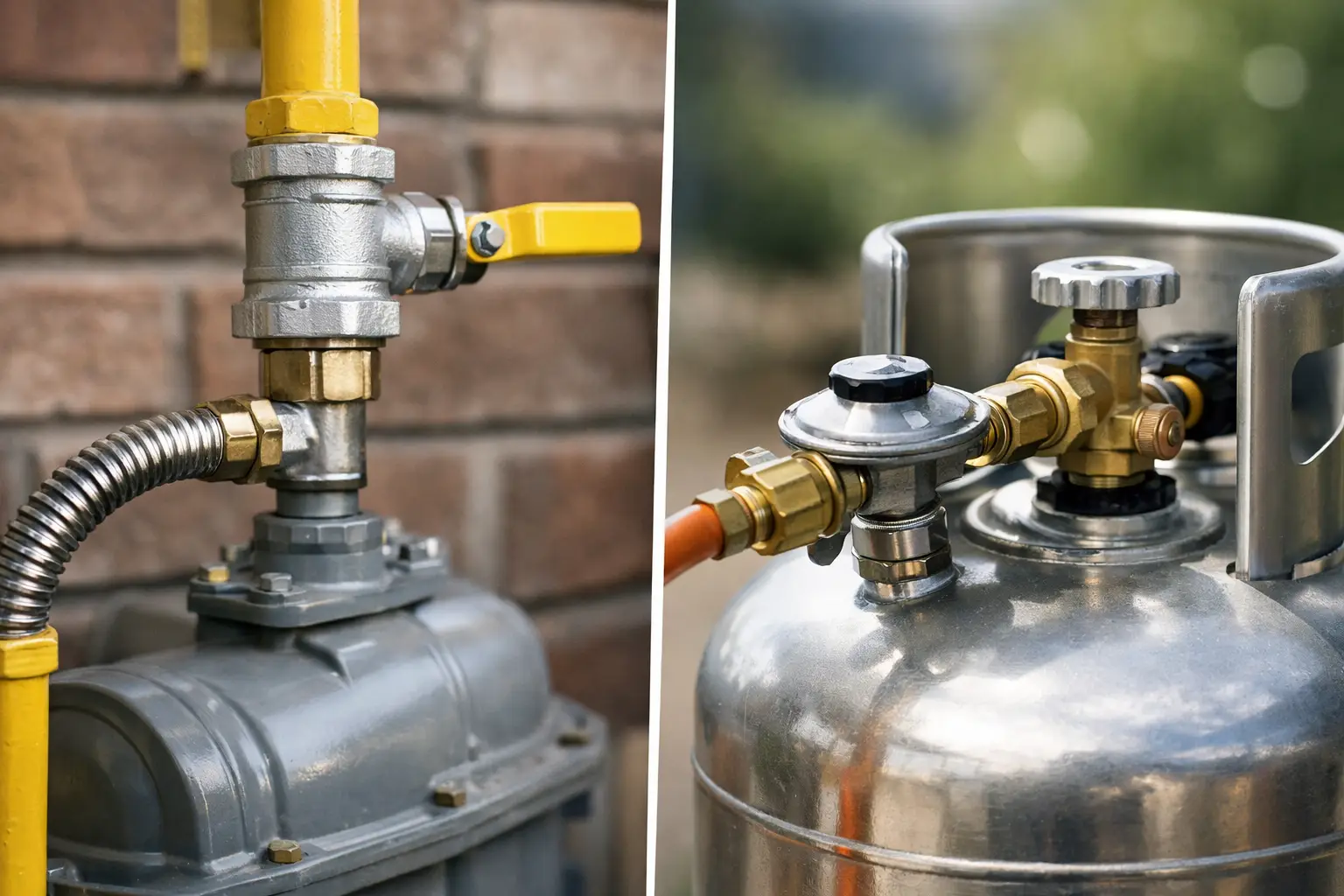
A natural gas line receives fuel from a utility supply. The gas enters the property through a meter and is distributed through properly sized piping to individual appliances. As long as utility service is available and active, fuel is delivered continuously through that connection.
A propane line connects appliances to an on-site propane storage tank. The tank may be located outside the building or installed underground when allowed and properly designed. Propane is delivered to the tank, stored under pressure, and reduced through regulators before it travels through the piping system.
The pipe may look similar in some installations, but the system design is different. Natural gas and propane operate at different pressures, have different energy content, and require equipment configured for the specific fuel. The gas line, regulator setup, appliance controls, shutoff valves, venting requirements, and pipe sizing must all work together.
The first practical question is whether natural gas utility service is available at the property. In many Miami-area neighborhoods, natural gas service may be an efficient option for homes and businesses that need consistent fuel for multiple appliances. The utility connection, meter location, and required approvals influence the project scope.
Propane is often considered where natural gas service is not available or where an on-site fuel supply better fits the property. That approach requires a suitable tank location with required clearances from buildings, ignition sources, openings, and property features. Access for fuel delivery also needs to be considered from the start.
For commercial properties, fuel demand can be substantial. A restaurant, laundry operation, multifamily building, or facility with several gas-fired appliances needs a system designed around actual equipment load. Planning the fuel source after appliances are selected can lead to unnecessary revisions. It is better to review the property, intended appliances, and future expansion plans together.
Pipe sizing is not a one-size-fits-all decision. A line that adequately serves one appliance may not have enough capacity for a range, tankless water heater, dryer, pool heater, outdoor kitchen, and standby generator operating within the same system.
Natural gas has a lower energy content per cubic foot than propane, so the required volume of gas and sizing calculations differ. Propane delivers more energy in a smaller volume, but its piping and regulator arrangement still need to be carefully designed for the distance, demand, and pressure requirements of the equipment.
A professional assessment considers the total BTU input of every connected appliance, the length of each pipe run, the number of fittings, the delivery pressure, and anticipated simultaneous use. This is particularly important when extending an existing gas system. The existing line may appear functional, yet adding a high-demand appliance can reduce performance elsewhere if the system is not properly evaluated.
Approved piping materials also depend on the application and local requirements. Above-ground and underground portions of a system may use different materials, and transitions must be made correctly. Exterior piping must be protected from physical damage and weather exposure. In South Florida, careful routing matters because piping may be installed around patios, pools, driveways, landscaping, and building additions.
A natural gas appliance and a propane appliance are built to deliver the correct amount of fuel to the burner. Because propane and natural gas have different characteristics, the burner orifices, air mixture, and regulator settings are typically different.
Some appliances are manufactured to operate on either fuel with an approved conversion kit and manufacturer instructions. Others are designed for only one fuel type. A conversion is not simply a matter of connecting a different line. It must be performed correctly, tested, and verified for safe operation.
Before scheduling gas piping work, confirm the fuel type and BTU rating shown on the appliance label. This applies to indoor equipment as well as outdoor appliances such as grills, fire features, patio heaters, and pool heaters. An appliance that is not properly matched to the fuel can produce poor performance, burner problems, or unsafe combustion conditions.
A system should be assessed when an appliance is being added, changed, relocated, or converted. Warning signs can also include weak burner flames, repeated ignition issues, unusual soot around equipment, gas odors, or appliances that struggle when more than one gas unit is running.
If you smell gas, leave the area, avoid flames and electrical switches, and contact the appropriate emergency service or gas utility from a safe location. Do not attempt to locate or repair the source yourself.
Both systems use controls that help deliver fuel at the right pressure. With natural gas, pressure regulation is usually coordinated with the utility meter and the building’s gas distribution system. With propane, regulators are especially central because fuel leaves the tank at much higher pressure and must be reduced before reaching appliance piping.
A propane system may use more than one stage of regulation depending on the design. Regulator placement, vent orientation, protection from damage, and compatibility with the equipment all matter. Improper regulator selection or installation can affect every appliance connected to the system.
Accessible shutoff valves are also required at appliances. These valves allow the fuel supply to be isolated for servicing or emergencies. They should not be hidden behind permanent construction or placed where they cannot be reached when needed.
Gas work is safety-sensitive because it involves combustible fuel, pressure, combustion air, venting, and building code requirements. A professional installation typically includes proper planning, permitted work where required, pressure testing, leak testing, and inspection coordination.
For a natural gas project, the process may include preparing the property for utility service, meter placement, and connection requirements. For propane, it can include tank placement coordination, regulator design, and routing the line safely from the tank to the structure. Requirements can vary based on property type, appliance location, and the local authority having jurisdiction.
A completed installation should not be judged only by whether an appliance lights. The system should be designed to supply the correct fuel volume, hold pressure during testing, and protect occupants and property over time. That standard is especially important for rental properties, commercial locations, and homes undergoing renovations.
Natural gas may be the practical choice when utility service is available and the property needs an ongoing supply for several appliances. It can work well for homes, restaurants, multifamily properties, and businesses that benefit from a direct utility connection.
Propane may make sense where utility gas is unavailable, where the property layout supports tank placement, or where an independently stored fuel source is preferred. It can power many of the same appliance categories, provided the system and equipment are designed specifically for propane.
The right answer depends on the site, appliance demand, available fuel service, building use, and future plans. A homeowner adding one appliance has different needs from a commercial operator planning a kitchen buildout or a property manager updating multiple units.
For projects in Miami and surrounding South Florida communities, Prestige Gas Services Corp can help evaluate the required gas infrastructure before work begins. A clear site review and professional recommendation give you a safer path from planning to a dependable operating system.
In this article
Discuss Your Gas Project
Contact Prestige Gas Services for natural gas and propane service in Miami-Dade and Broward counties. Request a free estimate.