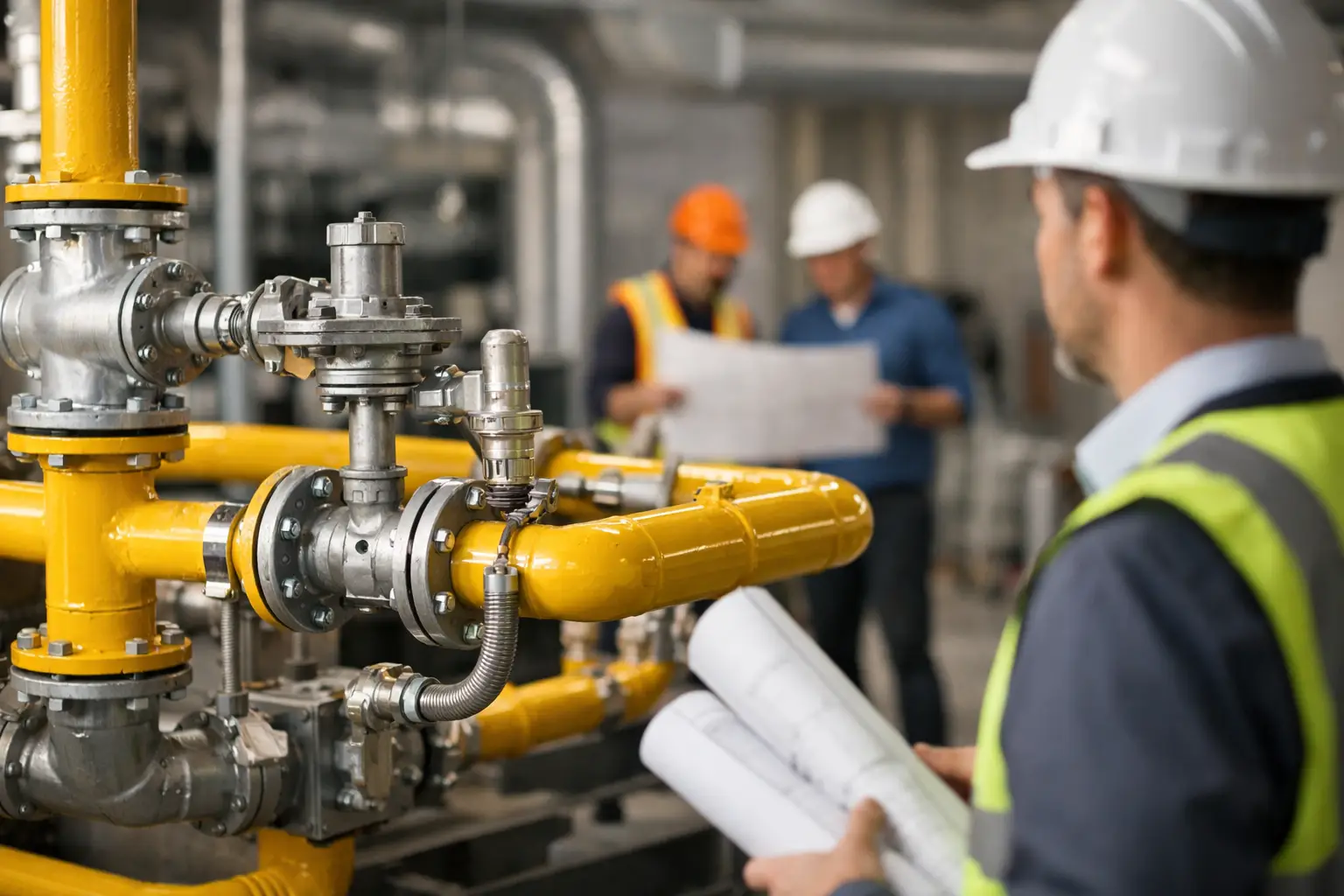
Learn how to plan commercial gas piping upgrades with a safe, code-focused approach that reduces downtime and supports reliable building operations.
A commercial gas upgrade usually becomes urgent at the worst possible moment – when a kitchen is adding equipment, a property is changing tenants, or an aging system starts limiting operations. That is why knowing how to plan commercial gas piping upgrades matters early. Good planning protects safety, avoids unnecessary delays, and helps your building stay ready for the demands of daily use.
For commercial properties, gas piping is not a background detail. It affects capacity, equipment performance, inspections, scheduling, and long-term reliability. If the upgrade is handled too late or without a clear scope, small issues can turn into major interruptions. If it is planned properly, the work is far more predictable.
The first step is to be clear about why the system needs to change. In some buildings, the issue is simple capacity. New appliances, expanded kitchen lines, larger water heating demands, or generator needs may require more gas volume than the current piping can deliver. In other cases, the existing system may be outdated, poorly routed, or no longer aligned with how the space is being used.
This part matters because the right upgrade for one property may be the wrong approach for another. A restaurant adding high-demand cooking equipment has different needs than a mixed-use building replacing old gas lines. A warehouse with limited gas usage may need a simpler adjustment than a hospitality property with multiple connected loads.
Before any technical planning starts, define the operational goal. Are you supporting new equipment, improving reliability, correcting code issues, or preparing for tenant improvements? The more specific that answer is, the smoother the next steps will be.
One of the most common planning mistakes is focusing only on the appliance being added. Commercial gas systems need to be evaluated as a whole. That includes every connected load, the expected demand, future expansion, and the condition of the current piping network.
A proper review looks at the total system rather than a single endpoint. If one new appliance is installed without confirming overall capacity, pressure and performance problems can show up elsewhere in the building. That can affect operations in ways that are easy to miss during planning but hard to ignore once the system is live.
This is also where future needs should be discussed. Not every building needs oversizing, but many commercial owners benefit from planning beyond the immediate project. If a property expects additional equipment, renovations, or tenant changes, that should be part of the conversation now rather than after the upgrade is complete.
Commercial gas work is not just about installing pipe. It has to be planned around permitting, inspection requirements, code compliance, and the specific conditions of the building. That means the design, routing, materials, shutoff access, venting relationships, and appliance connections all need to be considered carefully.
This is where experienced guidance matters most. Commercial properties often have more moving parts than owners expect. There may be occupancy restrictions, utility coordination, existing construction constraints, or inspection timelines that affect the project schedule. In active facilities, the sequence of work is just as important as the piping layout itself.
In South Florida, these details can be especially important because building types vary widely, from retail spaces and restaurants to multifamily and mixed-use properties. A safe and reliable plan should account for the actual use of the space, not just a generic installation approach.
Not every commercial gas piping upgrade starts from scratch. In many cases, part of the system stays in place while another part is modified or extended. That makes the condition of the existing piping a critical part of the planning process.
Age alone does not tell the full story. What matters is whether the current system is still suitable, properly sized, accessible, and compliant for the intended use. If older sections are difficult to access, have questionable routing, or create limitations for future service, it may be better to replace more of the system now rather than patch around it.
There is a trade-off here. Keeping portions of the existing piping may reduce disruption in some projects, but only if those sections truly support the final design. If they create weak points, limit capacity, or complicate inspections, partial reuse can end up causing more downtime later.
Commercial upgrades do not happen in a vacuum. Businesses still need to operate, tenants still need access, and building managers still need a practical schedule. That is why planning should include when the work can happen, which areas will be affected, and how gas interruptions will be managed.
A good plan asks practical questions early. Can work be phased? Will service need to be shut down temporarily? Are there occupancy concerns during certain hours? Is there enough access above ceilings, behind walls, or around equipment areas to complete the work safely and efficiently?
For some properties, a short and controlled shutdown is manageable. For others, especially food service or occupied commercial spaces, timing is everything. The best upgrade plans are not just code-compliant. They are realistic about daily operations.
Gas piping upgrades often happen alongside other improvements. A remodel may involve mechanical changes, kitchen equipment replacement, water heater upgrades, or generator planning. If those trades are not coordinated early, gas work can be delayed or revised after the fact.
That is why planning should confirm exactly what equipment is being installed, where it will be located, and what its gas demand requires. Even small layout changes can affect pipe routing, valve locations, and access for inspection or service.
This is also the time to confirm manufacturer requirements and building constraints. A cleaner project usually comes from tighter coordination up front, not from trying to solve layout conflicts during installation.
If you are managing a commercial property, the upgrade process should be easy to follow. You should know what is being changed, why it is being changed, and what the next steps are. Clear communication reduces delays and helps avoid misunderstandings between owners, tenants, and contractors.
A dependable gas service provider should explain the scope in plain language. That includes whether the system needs modification or full replacement in certain areas, what the permitting path looks like, and how the work will affect operations. Technical expertise matters, but so does clarity.
For business owners and property managers, this is one of the strongest signs that the project is being handled properly. Commercial gas work should feel organized and controlled, not improvised.
Even a well-planned job can uncover conditions that require adjustments. Hidden routing conflicts, inaccessible piping, equipment changes, and older installations that do not match current expectations can all shift the scope.
That does not mean the original planning failed. It means commercial properties often carry unknowns, especially in existing buildings. The goal is not to assume nothing will change. The goal is to work with a contractor who can identify issues quickly, respond safely, and keep the project moving without cutting corners.
This is another reason early site review matters. The more field conditions are understood before the work starts, the fewer surprises there tend to be once installation begins.
When you are deciding how to plan commercial gas piping upgrades, the contractor you choose affects every stage of the job. You need a company that understands gas-specific work, communicates clearly, and treats safety as the first priority rather than a line item.
That is especially important for business owners and property managers who do not want to chase multiple providers or sort through conflicting answers. A specialized gas service company can help evaluate the system, identify the right scope, and guide the project through the steps needed for a safe and reliable result.
In the Miami area, where commercial properties range from standalone retail to busy multi-tenant spaces, local experience also helps. Building conditions, permitting pathways, and operational demands can vary from one property type to the next.
Prestige Gas Services Corp works with customers who need straightforward guidance and dependable natural gas solutions for commercial properties. The goal is simple: plan the work correctly, complete it safely, and make sure the upgraded system supports the building the way it should.
If your property is adding equipment, changing use, or showing signs that the current gas system is no longer enough, the best next step is to start the conversation before it becomes an emergency. A clear plan now can prevent bigger disruptions later.
In this article
Discuss Your Gas Project
Contact Prestige Gas Services for natural gas and propane service in Miami-Dade and Broward counties. Request a free estimate.