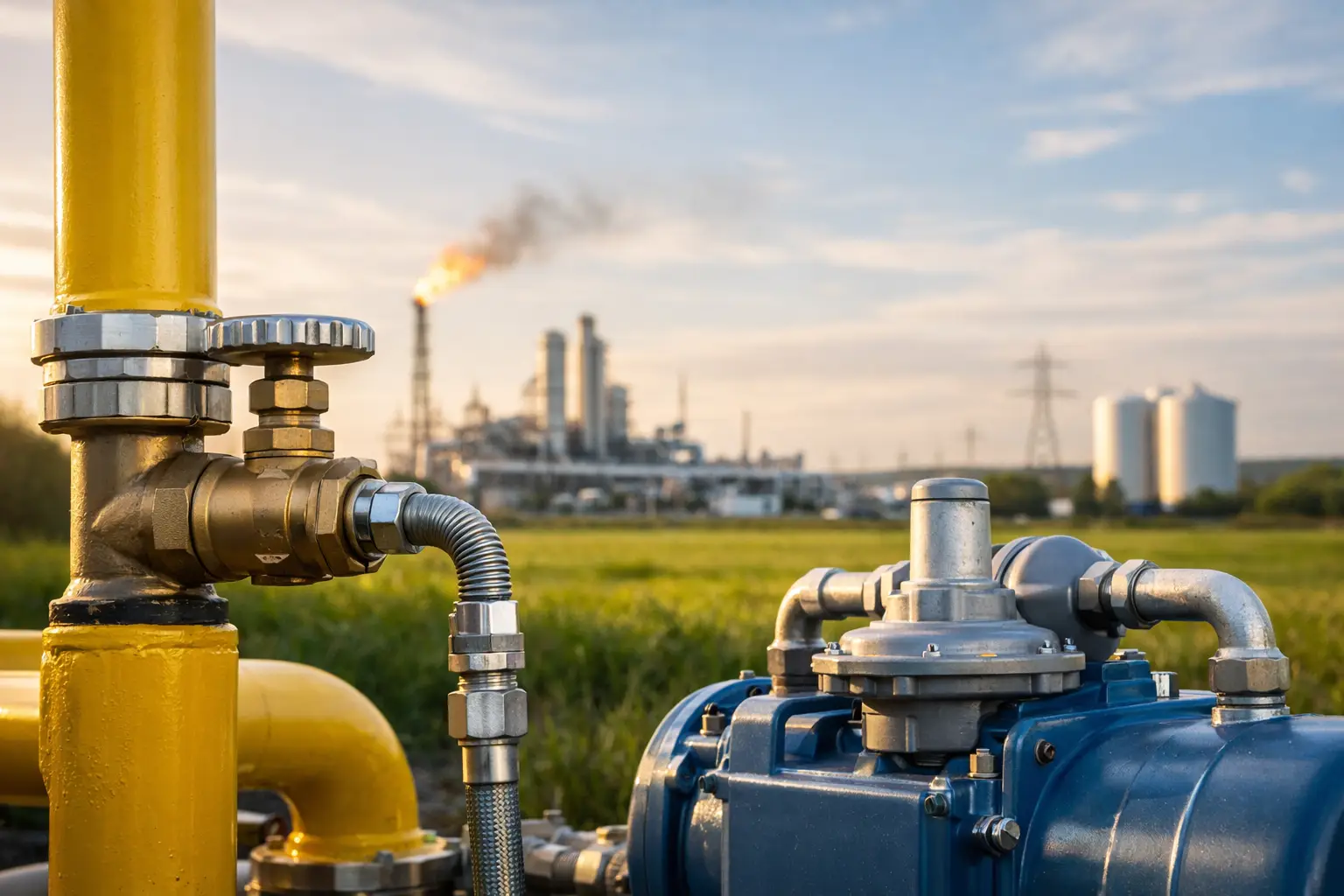
Learn what is natural gas connection, how it works, what installation involves, and why safe, code-compliant service matters for homes and businesses.
If you are planning to add a gas stove, water heater, dryer, pool heater, or commercial equipment, one of the first questions you may ask is what is natural gas connection and what does it actually include. The short answer is that it is the full setup that brings natural gas from the utility supply to the appliance or system that needs it, through properly installed piping, valves, regulators, and tested connections.
For property owners, that answer matters because a natural gas connection is not just a pipe hooked to an appliance. It is a safety-critical part of your building infrastructure. When it is designed and installed correctly, you get dependable fuel delivery, code compliance, and confidence that the system is ready for daily use.
A natural gas connection is the path that allows natural gas to travel from the public gas line or meter into your property and then onward to the appliance being served. Depending on the project, that may mean connecting a new appliance to an existing gas line, extending piping to a new location, or setting up gas service for a property that does not currently use natural gas.
In practical terms, the connection usually includes the gas meter, supply piping, shutoff valves, fittings, pressure regulation where required, and the final appliance hookup. On some jobs, the work is simple because the existing system is already sized and located correctly. On others, it involves planning, permits, inspections, and additional piping to make sure the new equipment receives the right gas flow safely.
That is where many property owners get confused. They may think the connection is only the visible fitting behind a stove or dryer. In reality, the whole system has to work together. If the pipe sizing is wrong, if the routing is not compliant, or if the installation is not tested properly, the connection may not perform as intended.
Natural gas work is not the kind of service where close enough is good enough. Every connection has to be evaluated based on the property, the appliance load, the distance from the source, and the applicable code requirements. A residential kitchen appliance and a commercial gas system do not have the same demands, and even two homes can require different approaches depending on the existing piping layout.
This is also why the answer to what is natural gas connection depends on context. For one property, it may mean tying a single new appliance into an established gas line. For another, it may mean coordinating utility service, installing new gas piping, and preparing the system for inspection before activation. The phrase sounds simple, but the actual scope can vary a lot.
Professional planning helps avoid the most common project problems. Those include undersized piping, poor appliance placement, missing shutoff access, and delays caused by permit or inspection issues. A qualified gas contractor looks at the whole picture before any installation begins.
At the utility side, gas is delivered to the property through the local supply system and usually measured through a gas meter. From there, the building’s gas piping carries fuel to the required appliance or appliances.
Along that route, several components may be involved. Shutoff valves allow the gas supply to be isolated when needed. Regulators help manage pressure where the system design requires it. Approved fittings and connectors make the final appliance connection possible. Sediment traps may also be included where code and equipment specifications call for them.
The appliance itself is only one part of the process. A connection is only considered complete when the piping, controls, clearances, and fuel supply all match the equipment requirements and local code standards.
In homes, natural gas connections are commonly used for ranges, cooktops, ovens, dryers, water heaters, generators, fireplaces, grills, and pool heaters. Some of these installations are straightforward if the gas line is nearby and correctly sized. Others involve routing new piping through walls, ceilings, attics, garages, or exterior runs.
Homeowners often focus on convenience, but safety and reliability are just as important. A properly installed connection supports steady appliance performance and reduces the risk of leaks, shutdowns, or service interruptions caused by faulty work.
For commercial properties, the stakes can be higher because the gas demand is often greater and the equipment more specialized. Restaurants, multifamily properties, retail spaces, and other commercial buildings may rely on gas for cooking, heating, hot water, or backup systems.
In those settings, proper load calculations, pipe sizing, and coordinated installation are especially important. A commercial natural gas connection has to support daily operations without creating avoidable risk or downtime.
The exact process depends on the property and the equipment being added, but most natural gas connection projects follow a similar path. It starts with evaluating the site and identifying the appliance requirements. That includes confirming the fuel type, BTU load, installation location, and whether the current gas system can support the new demand.
If a new line or extension is needed, the piping layout is planned based on code requirements and building conditions. In many cases, permits and inspections are part of the project. Once the piping and connection points are installed, the system is pressure tested and checked for leaks before the appliance is placed into service.
This is one of the biggest reasons property owners should not think of gas connection work as just a quick hookup. Even when the visible work looks minimal, the safety steps behind it are what make the system dependable.
Sometimes the need is obvious, such as adding a new gas appliance where no line currently exists. In other cases, the issue appears during a renovation, equipment replacement, or change in property use.
You may need a new or updated natural gas connection if you are converting from electric to gas, relocating an appliance, replacing old gas piping, expanding a kitchen, adding outdoor gas features, or installing higher-demand equipment. Commercial spaces may also need updates when tenant improvements change the gas load.
It is also possible for an older gas system to technically exist but not be suitable for new equipment. Age, wear, code changes, and previous modifications can all affect whether the current setup is still appropriate.
When people search what is natural gas connection, they are often trying to understand the mechanics of the system. That is important, but the bigger issue is that natural gas service must be handled with care from start to finish.
A safe connection depends on correct materials, proper sizing, secure fittings, required shutoffs, pressure testing, and compliance with local codes. It also depends on understanding the appliance manufacturer’s requirements. If any part of that chain is missed, the problem may not be obvious right away, which is exactly why professional gas service matters.
For homes and businesses in areas like Miami, where property layouts and equipment needs can vary widely, working with a gas specialist helps reduce delays and uncertainty. Clear guidance early in the project can make the difference between a smooth installation and a connection that needs to be reworked.
Some natural gas connection projects are fairly direct. If the existing gas line is close to the appliance, the pipe sizing is adequate, and the location meets code, the scope may be limited. Even then, proper testing and professional installation remain essential.
Other projects are more involved. That can happen when the property has no gas service yet, when multiple appliances are being added, when long pipe runs are required, or when commercial equipment increases the load significantly. Renovation timing can also affect the process, especially if gas work needs to be coordinated with other trades.
The best first step is a site-specific evaluation. That gives you a clear understanding of what the property currently has, what the appliance needs, and what work is required to create a safe and reliable connection.
Not every contractor handles gas work with the same level of focus. Because this is specialized service, property owners should look for a company that understands natural gas systems, code-compliant installation, and the practical demands of residential and commercial projects.
Good communication matters too. You want clear answers, realistic guidance, and a contractor who treats gas work with the seriousness it deserves. That is especially important when the project involves permits, inspection steps, or coordination with other improvements on the property.
Prestige Gas Services Corp works with property owners who need that kind of direct, dependable support. Whether the goal is a new appliance connection or a larger gas installation project, the value comes from getting the work planned correctly and completed safely.
A natural gas connection is not just a utility detail in the background. It is the system that makes your equipment usable, your fuel supply dependable, and your property better prepared for everyday performance. If you are considering a gas installation, the smartest next step is to get clear guidance on what your property needs before the work begins.
In this article
Discuss Your Gas Project
Contact Prestige Gas Services for natural gas and propane service in Miami-Dade and Broward counties. Request a free estimate.