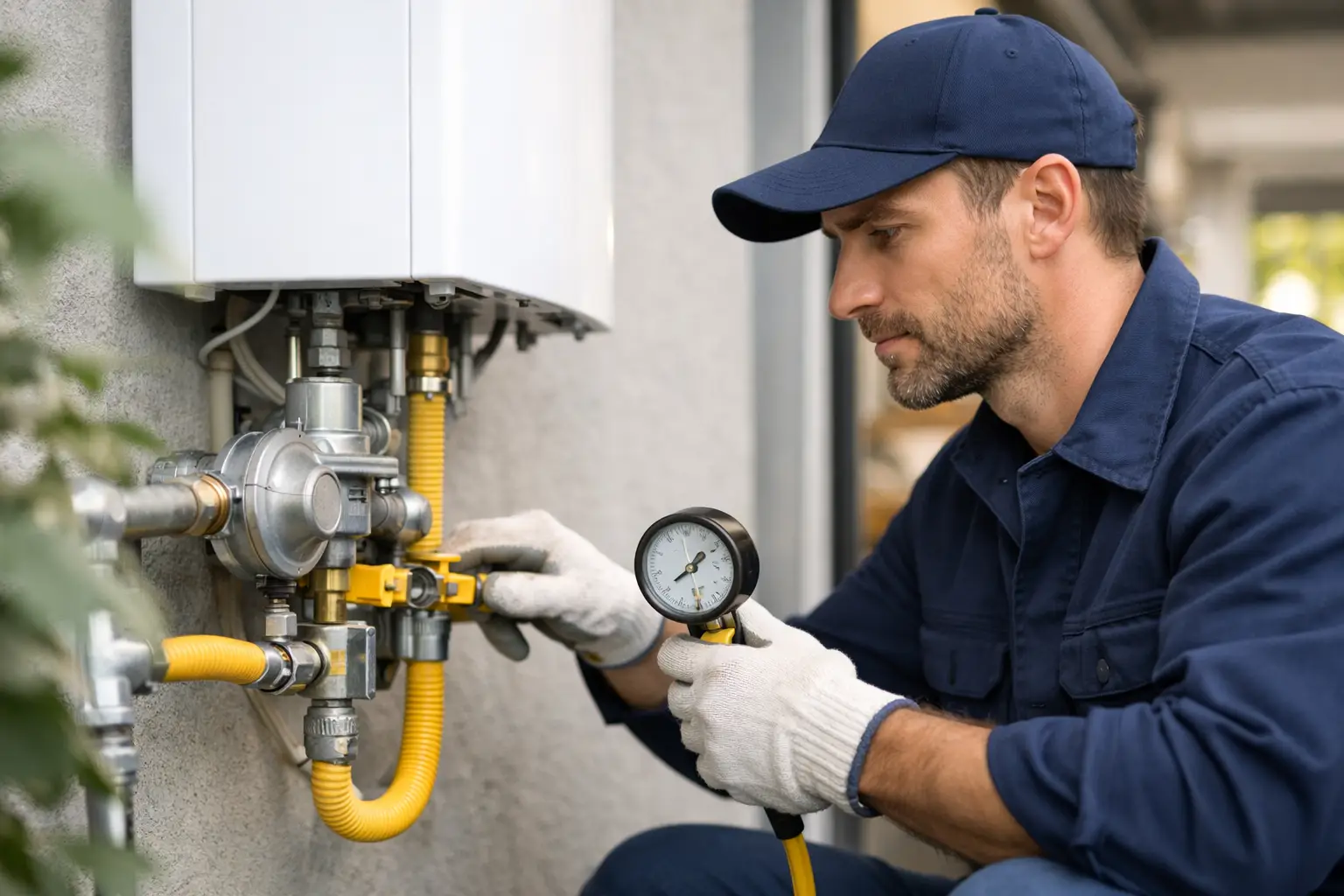
Home gas installation should be safe, code-compliant, and reliable. Learn what to expect, what matters most, and when to call a specialist.
A new range that cooks evenly. A standby generator that keeps the lights on during a storm. A pool heater that actually gets used. Most home gas installation projects start with convenience, but the real priority is safety from the first planning step to the final test.
Gas work is not the place for guesswork or shortcuts. A properly installed system needs the right pipe sizing, correct appliance connections, pressure testing, ventilation where required, and work that aligns with local code. For homeowners, that can feel technical fast. The good news is that the process does not have to be confusing when you work with a specialist who handles gas systems every day.
Many people hear the term and think only about connecting a stove. In practice, home gas installation can involve much more. It may include adding a new gas line, extending an existing line to serve another appliance, replacing outdated piping, setting up shutoff valves, connecting outdoor equipment, or preparing a home for future natural gas use.
The scope depends on the property and the goal. A single-appliance installation is different from a whole-home gas upgrade, and an older house often presents different conditions than a newer one. In some homes, access is straightforward. In others, routing the line safely and cleanly takes more planning.
That is why the first conversation matters. A reliable gas contractor should understand what you want to power, review the property layout, and explain whether the current system can support the added demand. If it cannot, that does not always mean the project is difficult. It simply means the work needs to be designed correctly from the start.
A gas system has no room for improvised decisions. Even a small mistake in sizing, fittings, venting, or connection methods can lead to performance problems or safety concerns. Appliances may not operate as intended. Pressure may be inconsistent. In the worst case, poor installation can create a serious hazard.
Professional installation helps prevent those issues before they begin. The work should be handled with a safety-first approach that includes proper materials, code-compliant methods, and testing to confirm the system performs as it should. This is especially important when multiple appliances are involved or when a property has older infrastructure that needs to be evaluated.
There is also a practical side. Hiring a gas specialist usually means clearer communication, fewer delays caused by avoidable mistakes, and a smoother path from consultation to completed installation. For homeowners and property managers, that peace of mind matters.
Some of the most common residential requests involve gas ranges, dryers, water heaters, tankless systems, fireplaces, pool heaters, outdoor kitchens, and standby generators. Each one has its own installation requirements, and not every appliance is a simple swap.
A generator, for example, often requires careful planning because fuel demand must be matched to the system. An outdoor kitchen may seem simple on paper, but the line routing, shutoff access, and exposure to the elements all need to be considered. A water heater replacement might look routine, yet the surrounding gas piping and venting setup still need to be verified.
This is where experience shows. A qualified gas contractor can identify issues early, recommend the right setup, and keep the work aligned with how the home is actually used.
The process usually starts with a site review and project discussion. The contractor needs to understand what appliance or system is being installed, where it will be located, and whether the existing gas service can support it. If adjustments are needed, those should be explained clearly.
Next comes planning the gas line route and selecting the correct materials and connection points. This stage is not just about making the line reach the appliance. It is about installing it in a way that is safe, serviceable, and compliant. Clean routing matters, but function and protection matter more.
Once the installation is complete, the system should be tested. That includes checking for leaks, verifying pressure where appropriate, and confirming the appliance connection is properly secured. Depending on the project, final inspections or additional coordination may also be part of the process.
For customers, the most important sign of a well-run project is clarity. You should know what is being installed, what the contractor found, and what the finished system is expected to do.
Not every project starts with a brand-new appliance. Sometimes the need for service becomes obvious because the current setup is no longer reliable or no longer fits the property. Corrosion on visible piping, outdated connections, poor appliance performance, or plans to add new equipment can all be reasons to have the system reviewed.
Renovations are another common trigger. Kitchen remodels, patio upgrades, generator installations, and equipment replacements often require changes to the gas line layout. What worked before may not be the right fit after the space changes.
In South Florida homes, it is also smart to think beyond the appliance itself. Weather exposure, outdoor installations, and long-term durability all deserve attention. A dependable installation should serve today’s needs and hold up over time.
When you are comparing providers, specialization matters. Gas work is a distinct trade, and customers are often better served by a company focused on gas plumbing and natural gas service rather than one treating it as a side offering.
Look for a contractor who communicates clearly, treats safety as the baseline rather than a sales point, and is prepared to discuss the details of your project without making it more complicated than it needs to be. You should feel comfortable asking what the work involves, how the system will be tested, and whether the setup is appropriate for your property.
Local experience can also make a difference. In areas like Miami and surrounding communities, property types vary widely, from single-family homes to multi-unit buildings and mixed-use spaces. A contractor familiar with local conditions can often spot issues faster and keep the process moving with less back-and-forth.
Prestige Gas Services Corp works with homeowners and property managers who want that kind of direct, specialized support – straightforward guidance, dependable installation, and service built around safe natural gas solutions.
A good installation is not just about getting the gas on. It is about making sure the system remains dependable after the job is done. That means proper workmanship at every connection point and thoughtful planning before the first pipe is fitted.
Reliability also comes from matching the installation to the home’s real needs. Some customers need a simple appliance connection. Others are planning for future additions, such as a generator now and an outdoor kitchen later. In those cases, it may make sense to consider the broader system so the home is not being reworked piece by piece without a plan.
That is where honest guidance matters. Sometimes the simplest option is the right one. Other times, a more complete approach saves time and trouble down the road. The right recommendation depends on the property, the equipment, and how you expect to use the system over time.
If you are planning a new appliance, replacing old gas equipment, renovating part of the home, or adding outdoor features that require fuel service, it is a good time to speak with a gas professional. The same applies if you are unsure whether your current setup can support a new installation.
Early planning usually leads to better results. It gives you a chance to confirm what is possible, avoid delays, and move forward with a clear understanding of the work. For homeowners, that means less uncertainty. For property managers and business owners, it means a more predictable project.
A home gas installation should leave you with confidence, not questions. When the work is planned carefully and completed by a qualified specialist, you get more than a connected appliance – you get a safer, more reliable system that supports how your property functions every day. If you are considering a gas installation project, the smartest next step is a direct conversation with a specialist who can review the property and guide you toward the right setup.
In this article
Discuss Your Gas Project
Contact Prestige Gas Services for natural gas and propane service in Miami-Dade and Broward counties. Request a free estimate.