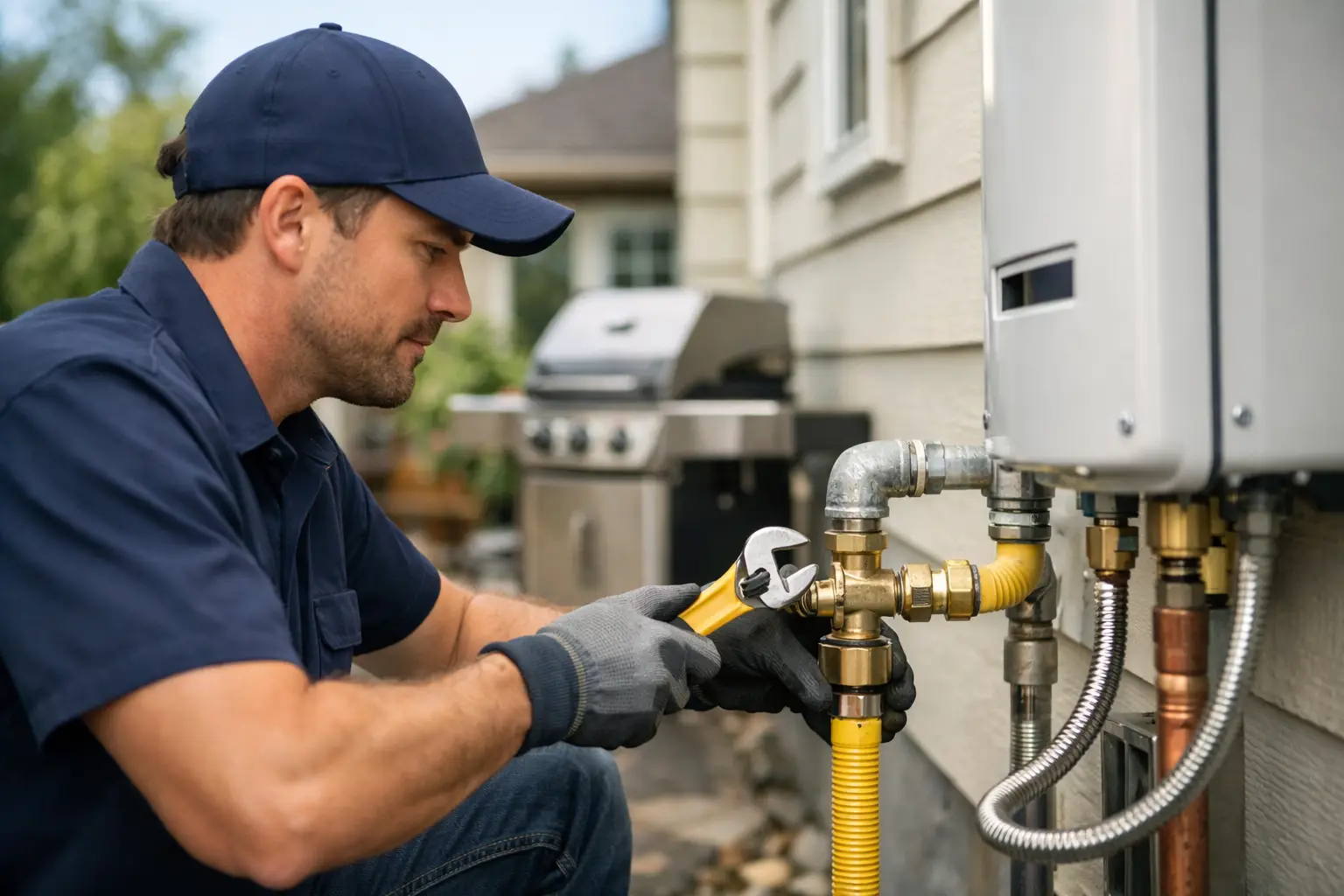
Residential gas installation should be safe, code-compliant, and reliable. Learn what to expect, what matters, and when to call a specialist.
A new gas range should make cooking easier, not turn into weeks of delays, permit questions, and uncertainty about whether the line was installed safely. That is why residential gas installation is not just another home upgrade. It is a safety-sensitive project that needs the right planning, the right materials, and a qualified specialist who understands code requirements from the start.
For homeowners, the challenge is usually not deciding whether gas is useful. It is figuring out how to get the work done correctly without second-guessing every step. Whether you are adding a generator connection, replacing an aging gas line, or preparing for a new water heater, the quality of the installation affects safety, performance, and long-term reliability.
Many people hear the term and think only about connecting an appliance. In practice, residential gas installation can cover much more. It may involve extending a gas line to a new appliance, upgrading existing piping, adding shutoff valves, checking pressure requirements, coordinating code compliance, and making sure the full system is appropriate for the home’s gas demand.
That broader view matters because gas systems do not work well when they are treated as isolated parts. A new appliance can affect the rest of the system if pipe sizing, pressure, or venting considerations are overlooked. What looks simple from the outside may require a more careful assessment behind the walls, under the slab, or around the meter.
Gas installation is one of those services where experience is not a luxury. It is the baseline. A properly installed line needs to do more than function on day one. It needs to remain dependable under normal household use while meeting local code and safety expectations.
There is also a difference between general plumbing knowledge and specialized gas work. Gas piping requires attention to pressure, load calculations, connections, leak testing, and the specific needs of each appliance. Even two homes on the same block can call for different solutions depending on layout, appliance demand, and the condition of the existing system.
For homeowners in South Florida, local conditions can also shape the project. The age of the property, the existing utility setup, and the type of home construction can all influence the installation approach. A specialist who works in the Miami area regularly is more likely to spot those issues early and keep the project moving in the right direction.
Most residential gas projects start with a practical need. A homeowner may want to switch from electric to gas for cooking, add an outdoor kitchen, connect a standby generator, or install a gas tankless water heater. In other homes, the priority is not expansion but replacement. Older gas lines may need updating because the system no longer matches the home’s current use or because wear has become a concern.
Sometimes the need appears during a renovation. A kitchen remodel, home addition, or backyard improvement can change where gas service is required. In those cases, early planning helps avoid rework later. Waiting until the last phase of construction often creates unnecessary delays because gas installation tends to involve coordination with inspections, appliance specifications, and access to existing piping.
A good gas installation process should feel clear, not confusing. It usually starts with a conversation about what the homeowner wants to add, replace, or improve. From there, the property and existing gas setup need to be evaluated so the scope of work is based on actual site conditions rather than assumptions.
This first step is where many important decisions are made. The installer needs to understand which appliances are being served, whether the current system can support them, and what route the piping will take. Pipe sizing, total demand, location of shutoff valves, and accessibility all matter here.
If the home already has gas service, that does not automatically mean the current setup is ready for expansion. A new appliance may require modifications to ensure proper flow and dependable operation. If the property does not yet have the right infrastructure in place, the installation plan may be more involved.
Homeowners often want the work done fast, which is understandable. But speed should not come at the expense of proper permitting and code compliance. Gas work is regulated for a reason. The permitting process helps verify that the installation meets applicable safety standards and that required inspections are not skipped.
This is one of the clearest signs of a professional approach. A qualified gas contractor will not treat permits as optional paperwork. They will factor them into the project and explain how the process affects scheduling.
Once the plan is set, the installation itself can move forward. This may include running new piping, replacing outdated sections, setting valves, connecting approved equipment, and preparing the system for final testing. Leak testing and system checks are a critical part of the job, not an afterthought.
A reliable installer should also communicate clearly during this stage. Homeowners do not need technical overload, but they do need to know what is happening, what access is required, and when the system will be ready for use.
When a project involves fuel lines inside or around your home, trust matters. Homeowners should look for a company that specializes in gas services, communicates directly, and treats safety as a core part of the job rather than a talking point.
That does not mean every project needs the same solution. Some homes need a straightforward appliance connection. Others need a larger system review because the existing gas infrastructure is outdated, undersized, or poorly configured. A dependable contractor will explain that difference honestly.
It also helps to work with a provider who is responsive. Gas projects often raise practical questions about scheduling, access, inspections, and system compatibility. Clear answers reduce stress and help homeowners make informed decisions. That is especially valuable when the work is tied to a renovation timeline or a household essential like hot water or cooking.
Residential gas installation should never feel rushed, vague, or improvised. If a contractor cannot clearly explain the scope of work, avoids discussion of permits, or downplays testing and compliance, that should raise concern. The same is true if the conversation centers only on getting the appliance connected as quickly as possible without evaluating the system as a whole.
Another red flag is poor communication. Gas work requires confidence and clarity. Homeowners should feel informed about what is being installed, why it is needed, and what the next step will be. If communication is inconsistent before the job starts, it usually does not improve during the project.
A gas line that works today but was installed without enough care can create problems later. Maybe the issue shows up as inconsistent appliance performance. Maybe it appears when another gas appliance is added and the system can no longer support the load. In more serious situations, poor workmanship can create safety risks that should never have been introduced in the first place.
That is why a proper installation should be viewed as long-term infrastructure, not just a quick service call. The goal is not merely to finish the job. The goal is to leave the home with a gas system that is safe, code-conscious, and dependable for everyday use.
For homeowners who want that level of confidence, working with a specialized gas company can make the process much simpler. Prestige Gas Services Corp focuses on safe, reliable gas work and direct support for property owners who need clear answers and professional execution.
Most homeowners are not looking to become experts in gas piping. They just want to know the work was handled correctly. That peace of mind comes from proper planning, qualified installation, and a contractor who takes safety seriously from the first conversation to the final check.
If you are planning a new appliance, upgrading an older system, or preparing your home for a gas-powered addition, take the time to choose a specialist who will approach the job carefully. Good gas work should leave you with more than a connected line. It should leave you confident using your home the way it was intended.
In this article
Discuss Your Gas Project
Contact Prestige Gas Services for natural gas and propane service in Miami-Dade and Broward counties. Request a free estimate.