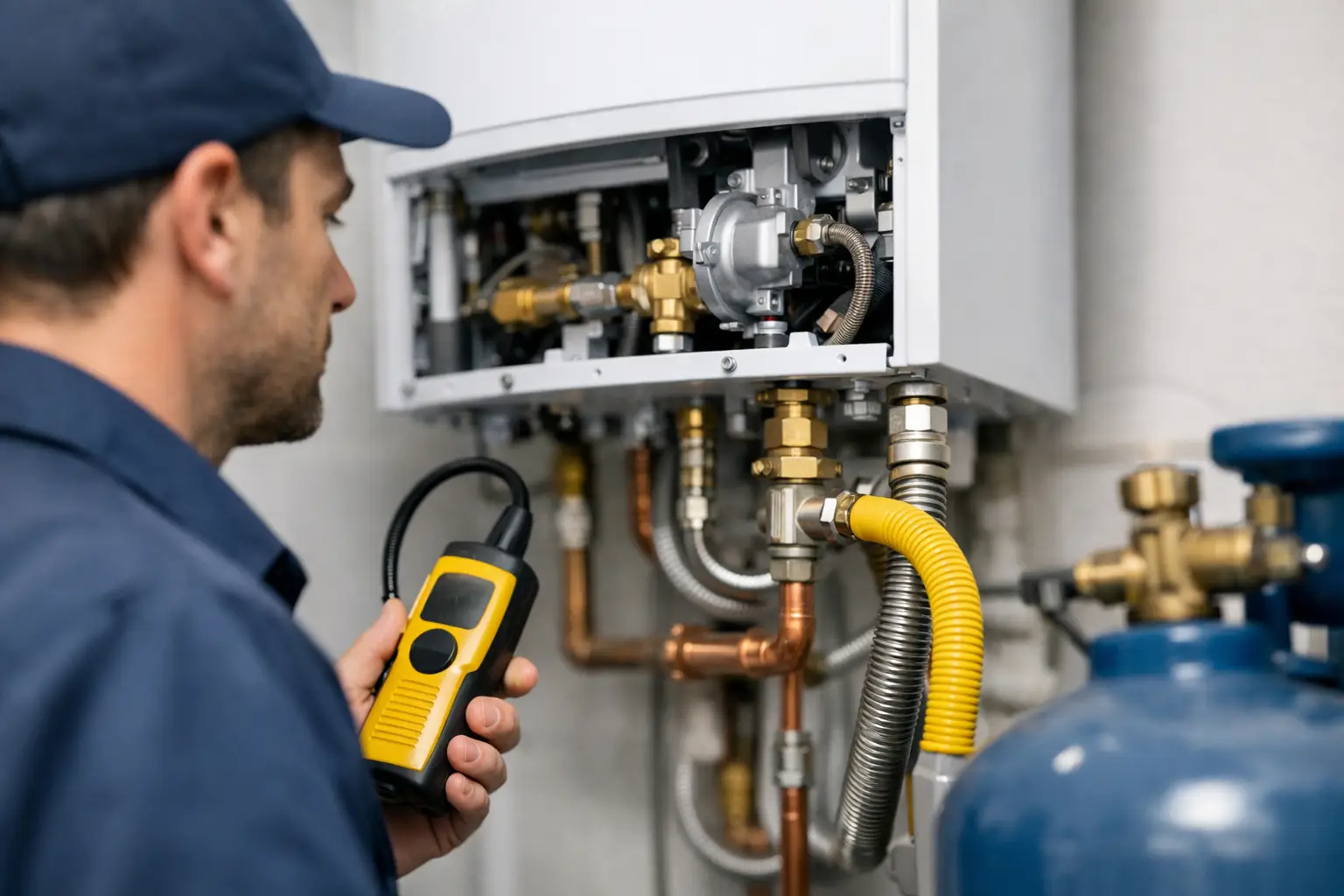
Are plumbers gas certified? Learn when a plumber can handle gas work, what licenses matter, and how to choose a safe, qualified gas pro.
If you are asking, are plumbers gas certified, you are already asking the right question. Gas work is not the same as standard plumbing, and assuming any plumber can handle a gas line can create real safety and code compliance issues. The short answer is that some plumbers are qualified to perform gas work, but not all of them are.
That distinction matters whether you are installing a new gas appliance, upgrading a commercial space, or planning a residential gas line project. What you need is not just a plumber in the general sense. You need a properly licensed professional with the right training and authorization for gas piping and gas system work.
No. A plumber may be licensed for water, drain, and fixture work without being the right professional for a natural gas installation. In many areas, gas work falls under a specific license classification, permit requirement, or endorsement. That means the answer depends on the contractor’s credentials, the type of work involved, and local code requirements.
Some plumbing professionals do have the qualifications to install, modify, or service gas lines. Others focus on traditional plumbing only. From a customer standpoint, the difference is not always obvious from a truck wrap or a website headline. That is why asking direct questions before any work begins is so important.
For homeowners and property managers, this is where confusion usually starts. Someone may say they are a plumber, and that sounds broad enough to include gas. Sometimes it does. Sometimes it does not. Gas is a specialized trade area, and it should be treated that way.
The phrase “gas certified” is common in everyday conversation, but it is not always the formal legal term used by local authorities. In practice, customers use it to mean a contractor who is legally allowed and professionally qualified to perform gas work safely.
That can include holding the correct trade license, working under the right permit structure, understanding fuel gas code requirements, and having real experience with gas piping, appliance connections, pressure testing, and inspections. In other words, certification is only part of the picture. Competence and legal authorization matter just as much.
For natural gas projects, the stakes are higher than with many routine plumbing jobs. A poor installation can lead to leaks, failed inspections, appliance performance problems, or dangerous conditions. A qualified gas professional understands line sizing, venting requirements where applicable, shutoff placement, testing procedures, and how the full system works together.
A plumber can often handle gas work when their license allows it and when they regularly perform that type of service. This is especially common with contractors who focus on gas piping as a core part of their business rather than treating it as an occasional add-on.
That experience matters more than many customers realize. Installing a gas line for a tankless water heater, commercial kitchen equipment, pool heater, generator connection, or outdoor appliance setup is not just about connecting pipe. It requires planning, code knowledge, and a clear understanding of safety from start to finish.
In South Florida, where properties range from single-family homes to mixed-use and hospitality spaces, gas projects can vary widely. A contractor who works with gas systems every day is generally better equipped to handle permit expectations, inspection steps, and the practical issues that come up during installation.
There are situations where hiring a general plumbing company may not be the best fit, even if they legally offer some gas services. If the project is complex, involves new gas line routing, includes multiple appliances, or serves a commercial property, a dedicated gas plumbing specialist is often the safer and more efficient choice.
The difference comes down to focus. A specialist in natural gas work is more likely to catch layout issues early, recommend the right system approach, and avoid delays tied to incorrect permitting or failed inspections. That can make the entire process smoother for the property owner.
This is especially relevant for customers who want one company to handle the gas portion of a project with confidence and clear communication. A specialized provider can often answer questions faster, identify compliance concerns earlier, and give more precise guidance on what the job requires.
The best approach is simple. Ask direct questions and expect direct answers.
Start by asking whether the contractor is licensed to perform gas line work in your area. Then ask whether they regularly handle natural gas installations like yours. There is a big difference between someone who occasionally connects a simple appliance and someone who routinely manages residential and commercial gas piping projects.
You should also ask whether permits and inspections will be handled as required. A qualified professional should be comfortable explaining the process in plain language. If the answer feels vague, rushed, or overly casual, that is worth noticing.
Experience with your type of property also matters. A restaurant, apartment building, single-family home, and retail space can all have very different gas service needs. The right contractor should understand those differences and explain them clearly.
A reliable gas contractor usually sounds different from a generalist. They explain safety and compliance without making the process confusing. They ask about the appliances involved, the property type, the line route, and whether the work is new installation or modification of an existing system.
They also understand that customers want reassurance, not technical overload. A good provider will walk you through what is needed, what approvals may apply, and what the next steps look like. That kind of communication is a trust signal.
Another strong sign is specialization. If gas work is a core service rather than a side offering, that usually reflects deeper experience. For customers in Miami and nearby areas, where project timelines and code expectations can move quickly, working with a company that focuses on natural gas can help avoid unnecessary back and forth.
Even if a contractor says they are certified, that should not end the conversation. Gas work is one of those areas where paperwork, field experience, and process discipline all need to line up.
A licensed or certified contractor can still vary in quality. Some are highly organized, safety-focused, and experienced with local requirements. Others may technically qualify but lack the specialization needed for more involved gas installations. That is why it helps to look at the whole picture.
You want a company that treats gas work with the seriousness it deserves. That means safe installation practices, clear communication, dependable scheduling, and a willingness to answer questions before work begins. It also means understanding that no two properties are exactly alike.
The question are plumbers gas certified comes up most often when customers are planning a specific job. New appliance hookups, pool heaters, generators, fire features, tankless water heaters, and commercial kitchen equipment are common examples. In each case, the work may appear straightforward from the outside but still require careful design and code-compliant execution.
A small residential gas line extension is not the same as a multi-appliance commercial setup. Even within homes, the scope can change quickly depending on load requirements, pipe routing, and existing infrastructure. That is why broad assumptions can be risky.
For property owners, the goal is not to become an expert in gas code. The goal is to choose a contractor who already is. When you do that, the project becomes easier to understand and much safer to complete.
Instead of asking only, are plumbers gas certified, ask this: Is this contractor specifically qualified and experienced to perform my gas installation safely and legally?
That question gets closer to what really matters. It shifts the focus away from labels and toward actual capability. A dependable gas professional should be ready to explain their role, their qualifications, and the process for your project without making you chase basic information.
For gas service, peace of mind comes from specialization, not guesswork. If you are planning a natural gas project, choose a contractor who treats safety, compliance, and clear communication as part of the job from day one. That is how you protect your property, your timeline, and the people who use the space.
In this article
Discuss Your Gas Project
Contact Prestige Gas Services for natural gas and propane service in Miami-Dade and Broward counties. Request a free estimate.