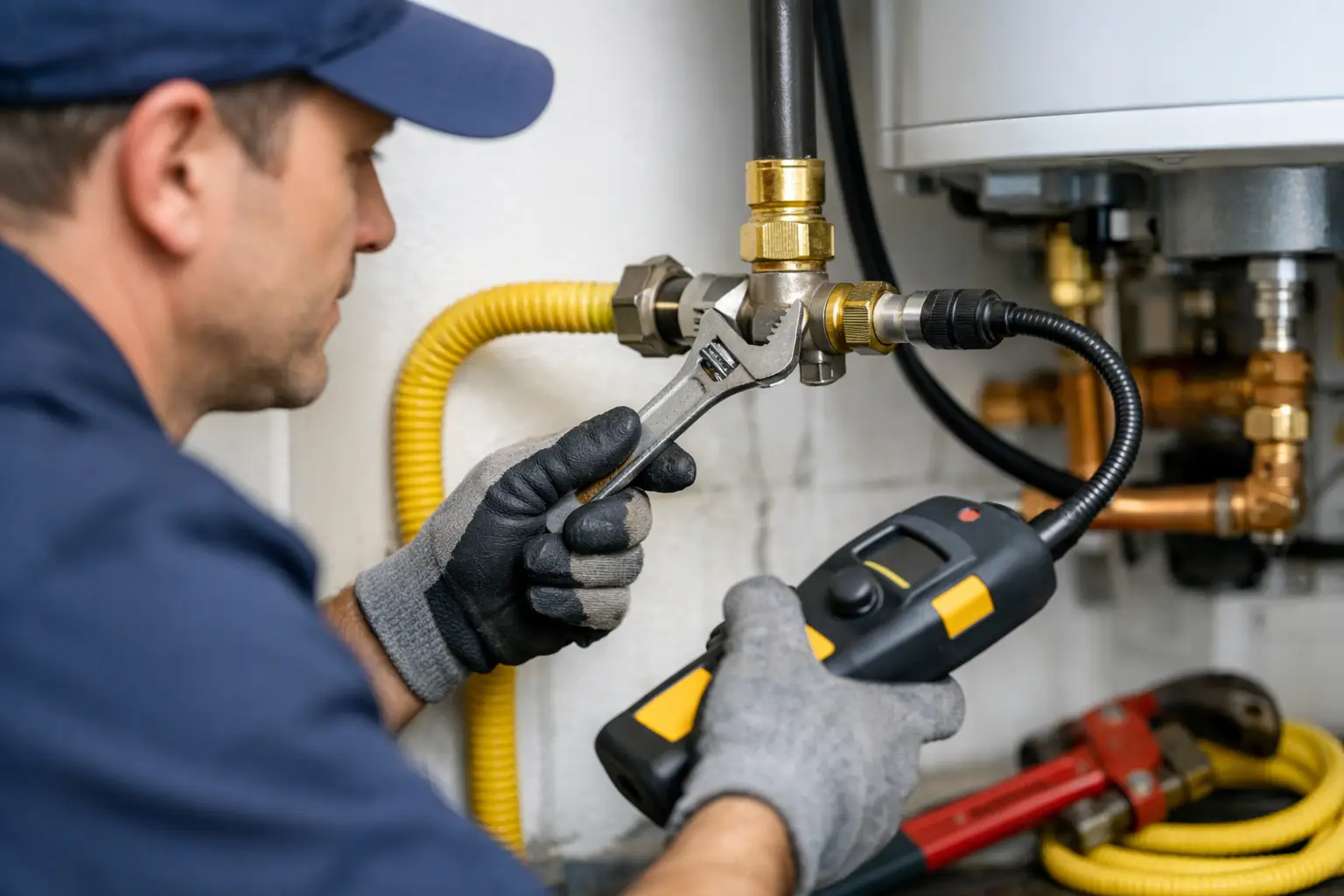
Do plumbers repair gas lines? Yes, but licensing, experience, and code compliance matter. Learn when to call a qualified gas plumbing pro.
A gas issue is not the kind of home or commercial problem you want to guess your way through. When people ask, do plumbers repair gas lines, the short answer is yes – some do. The better answer is that gas line work should be handled by a qualified professional with the right licensing, training, and experience for gas piping, appliance connections, and code-compliant repairs.
That distinction matters. Not every plumber focuses on gas services, and not every plumbing company is set up for specialized natural gas work. If you are dealing with a suspected leak, a damaged line, an appliance hookup, or a system upgrade, the real question is not just whether a plumber can help. It is whether you are calling the right type of plumber for gas work.
Plumbers often work with pipe systems, so gas piping can fall within their scope. In many cases, licensed plumbers do repair gas lines, replace sections of gas pipe, install shutoff valves, pressure test systems, and connect gas appliances. That said, gas line work is a specialty within the trade, and the level of experience can vary a lot from one company to the next.
For a homeowner, property manager, or business owner, that difference is where safety and reliability come into play. Water piping and drain work are not the same as natural gas service. Gas systems require careful sizing, proper materials, tight connections, ventilation awareness, testing, and local code compliance. A contractor who handles gas lines regularly will typically approach the job with a different level of familiarity than a general plumbing company that only takes occasional gas calls.
In practical terms, yes, plumbers may repair gas lines, but not every gas line problem should go to just any plumber.
Gas line service covers more than emergency repairs. A qualified gas plumbing professional may be called in for a wide range of residential and commercial needs.
That can include repairing a leaking section of gas pipe, replacing aging or corroded line materials, rerouting piping during a renovation, adding a line for a new appliance, reconnecting service after property improvements, or checking a system before an appliance installation. In some cases, the issue is visible, such as a damaged exposed line. In others, the concern starts with a failed pressure test, an odor near a meter or appliance, or a utility requirement before gas can be turned on.
Commercial properties may also need gas piping support for kitchens, water heaters, rooftop equipment, or tenant build-outs. Those projects often involve a higher level of planning because the piping layout, appliance load, and compliance requirements can be more involved.
If the work involves natural gas, specialized service is usually the safer choice. That is especially true when the project includes new installations, major line modifications, permit-related work, multiple appliances, or troubleshooting where the source of the problem is not obvious.
A specialist is also a smart call when timing matters. For example, if a restaurant, rental property, or business needs dependable service to avoid disruption, you want a contractor who understands how gas work affects inspections, appliance operation, and occupancy requirements. The same goes for homeowners who want to avoid repeat visits or uncertainty around whether the work meets current code.
In Miami and surrounding areas, local code expectations, building requirements, and property conditions can all affect how gas work needs to be handled. A company focused on gas plumbing is more likely to anticipate those details early, which can save time and reduce stress.
Some gas line problems are obvious. Others are easy to overlook until they become serious.
The most familiar warning sign is the smell of gas. Hissing sounds near gas piping, pilot lights that will not stay lit, unusual issues with connected gas appliances, or a sudden need to shut off service can also point to a line problem. In older properties, corrosion or wear may be part of the issue. On commercial sites, repairs may come up after equipment changes, inspections, or modifications to the building.
If there is any reason to suspect a gas leak, the priority is safety, not diagnosis. The next step should be contacting the appropriate emergency resource if needed and then reaching out to a qualified gas professional to assess the system.
Gas line repairs are not just about stopping a leak or replacing a damaged section of pipe. The work has to be done in a way that protects the property, the people inside it, and the long-term reliability of the system.
That means proper permitting when required, compliant materials, accurate sizing, secure fittings, system testing, and a clear understanding of local rules. If any part of the repair is incomplete or done incorrectly, the result can be more than an inconvenience. It can affect safety, delay utility approval, create inspection problems, or lead to further repairs.
This is one reason customers often prefer a dedicated gas service provider rather than a general contractor trying to cover multiple trades. Gas systems leave less room for guesswork. You want someone who treats the work with the level of care it deserves.
Yes, in many cases they do. Gas line work often includes connections for stoves, cooktops, dryers, water heaters, generators, outdoor kitchens, and certain commercial appliances. But again, it depends on the professional you hire.
Appliance-related gas work is not just about attaching a connector and turning the gas back on. The line must support the appliance properly, the shutoff setup needs to be correct, and the installation has to align with code and manufacturer requirements. If an appliance is being added where no gas line existed before, the job becomes more involved because it may require new piping, routing decisions, and testing.
That is why a gas-focused plumber is often the best fit for these projects. The goal is not just to get the appliance connected. The goal is to make sure it operates safely and reliably from day one.
If you are comparing service providers, ask direct questions. Do they regularly handle gas piping? Are they licensed for this type of work? Can they manage both residential and commercial gas service needs? Do they understand permitting and code requirements in your area? Will they inspect, test, and explain what the repair involves?
Those questions help you separate general plumbing support from true gas service capability. Clear communication also matters. Gas issues make people understandably nervous, so you want a company that explains the situation in plain language, responds promptly, and treats the job with urgency and professionalism.
For many property owners, peace of mind comes from working with a company that is built around gas service rather than offering it as a side task. That focused approach often leads to better troubleshooting, cleaner project planning, and more confidence in the result.
Do plumbers repair gas lines? Yes, many do. But gas line repair is specialized work, and the quality of the outcome depends heavily on who you hire. The safest path is to work with a qualified gas plumbing professional who understands natural gas systems, follows code, and has real experience with the kind of repair or installation your property needs.
If you are dealing with a gas line concern, adding a new appliance, or planning a natural gas project, it helps to speak with a professional who can give you clear answers and dependable guidance. Prestige Gas Services Corp serves customers in Miami with a safety-first approach to residential and commercial gas work, and sometimes the right next step is simply starting the conversation before a small issue becomes a bigger one.
In this article
Discuss Your Gas Project
Contact Prestige Gas Services for natural gas and propane service in Miami-Dade and Broward counties. Request a free estimate.