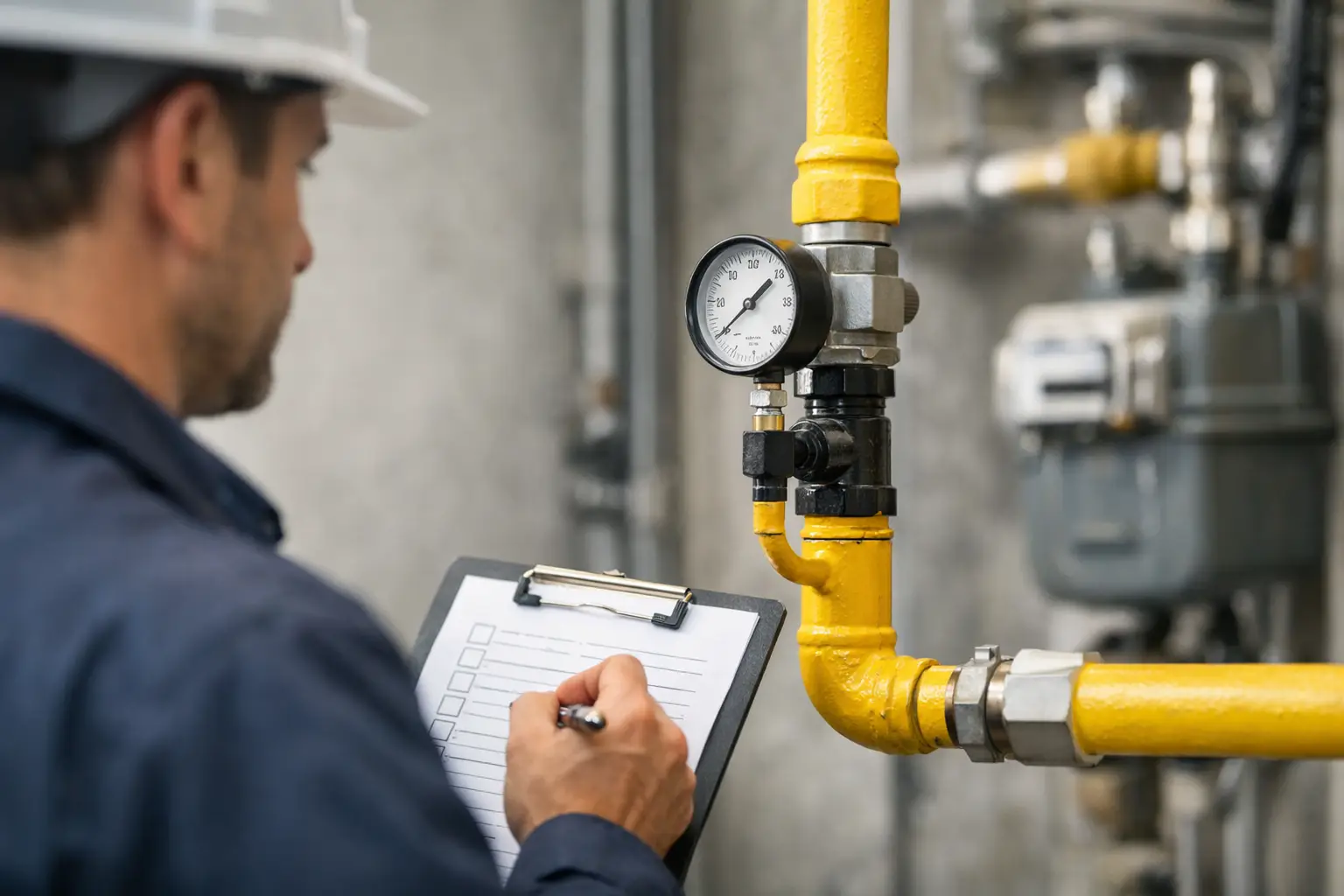
Use this gas pipe inspection checklist to recognize warning signs, prepare for professional service, and help protect Miami properties year-round with care
A gas concern is not the kind of property issue to watch for a few days and hope disappears. An unusual odor, hissing near a line, damaged piping, or a suddenly unreliable gas appliance calls for prompt attention. This gas pipe inspection checklist helps homeowners, property managers, and business owners recognize what deserves professional review while keeping safety and code compliance at the center of the process.
If you smell gas or suspect an active leak, leave the area, avoid flames, electrical switches, vehicles, and phones near the suspected leak, and contact emergency services or the gas utility from a safe location. Do not attempt to locate or repair the leak yourself.
Natural gas piping works quietly behind appliances, walls, ceilings, and exterior equipment. That is convenient until age, corrosion, accidental damage, appliance changes, or unauthorized alterations create a problem that is not immediately visible.
A professional inspection can identify concerns before they affect daily operations, tenant safety, appliance performance, or a planned renovation. It also gives property owners clearer information about the condition of their gas system and whether work may be needed to support a new range, dryer, water heater, generator, or commercial appliance.
The right inspection is not always identical for every property. A newer home with a single gas appliance has different needs than an older commercial building with multiple meters, branches, and high-demand equipment. The checklist below is a practical way to prepare for that conversation.
Before an inspection, gather any available records related to gas installations, appliance replacements, renovations, permits, and prior service visits. A technician can work without complete records, but this information may explain why piping was moved, extended, or disconnected.
Make a note of every gas appliance on the property, including equipment located outdoors, in utility rooms, kitchens, mechanical spaces, or tenant areas. Mention recent changes in performance, intermittent ignition, unusual odors, or appliances that have been removed or added. These details help the inspection focus on the right parts of the system.
For managed properties, ask occupants or staff whether they have noticed concerns at particular times. A report that an odor appears only when a specific appliance runs can be useful information for the service professional.
Exterior gas piping can be exposed to moisture, landscaping equipment, vehicle contact, salt air, and everyday wear. In South Florida, corrosion deserves particular attention because humid conditions and coastal environments can affect exposed metal components over time.
From a safe distance, look for visible rust, flaking paint, bent sections, loose supports, impact damage, or pipes that appear to have shifted. Also note whether landscaping, stored materials, fencing, or construction debris blocks access to the meter, shutoff, regulator, or visible line.
Do not try to tighten fittings, remove corrosion, test connections, or move a pipe back into place. A visible issue does not always reveal the full condition of the system, and gas piping should be evaluated by a qualified professional.
Inside the property, inspect accessible areas around gas appliances and visible piping for signs that warrant service. This includes discoloration around connections, damaged appliance connectors, corrosion, loose-looking supports, or a shutoff valve that is difficult to access because of cabinets, storage, or equipment.
Pay attention to odors, hissing sounds, or a repeated need to relight an appliance. Headaches, dizziness, or nausea among occupants can also require immediate action, particularly when they occur near fuel-burning equipment. Leave the area and seek emergency assistance if you suspect a gas leak or carbon monoxide exposure.
Keep in mind that not all gas piping is visible. A clean-looking utility room does not confirm that concealed piping, fittings, or branches are in good condition. That is why visual awareness is helpful, but it is not a substitute for a professional inspection.
Gas appliances should operate as intended and have proper venting where required. Warning signs can include soot, unusual burner flame appearance, delayed ignition, repeated shutdowns, moisture or staining near vent connections, and rooms that feel excessively hot while equipment is operating.
An appliance concern may come from the appliance itself, its venting, the gas supply, or a combination of factors. The cause should be determined through proper service rather than assumptions. A qualified gas professional can evaluate the piping connection and coordinate recommendations when appliance or venting issues are found.
Commercial kitchens, laundry facilities, common areas, mechanical rooms, and tenant spaces often have more complex gas demands. Include every accessible appliance and line section in the inspection request, not just the equipment that appears to be malfunctioning.
For commercial properties, document changes in occupancy, kitchen equipment, operating hours, or appliance load. A system that was appropriate for a previous use may need review when the building’s gas demand changes. Clear records also help property managers plan work with less disruption to staff, tenants, and customers.
A qualified inspection goes beyond a quick visual look at exposed pipe. The scope depends on the property, the age and material of the piping, the appliances connected to it, and the reason for the visit.
A gas service professional may evaluate accessible pipe condition, fittings, valves, supports, appliance connections, corrosion, routing, and signs of prior damage. When appropriate, they may use approved leak-detection methods or testing procedures to assess system integrity. They can also determine whether visible components and planned changes appear consistent with applicable requirements.
If a concern is identified, the next step may range from a targeted repair recommendation to a broader review of the gas system. It depends on what is found. A small issue at one accessible connection is different from widespread corrosion, undersized piping for new equipment, or damage caused by construction activity.
For a planned installation, an inspection is also an opportunity to discuss capacity, pipe routing, shutoff locations, appliance requirements, and the permits or approvals that may apply. Addressing these details before work begins helps prevent avoidable delays.
Schedule professional attention whenever you smell gas, hear hissing near piping, notice damage, or have concerns about a gas appliance. Those situations should not wait for a routine appointment.
Outside of urgent concerns, an inspection is especially useful before adding or replacing a gas appliance, beginning a remodel, reopening a commercial space, purchasing an older property, or after a flood, storm impact, vehicle strike, or nearby construction. It is also sensible to request a review when a property has long-standing visible pipe corrosion or unclear installation history.
Property managers may benefit from including gas system observations in regular building maintenance planning. The exact frequency should reflect the type of property, equipment use, condition of the system, manufacturer guidance, and local requirements.
The most common mistake is treating a gas odor as a minor appliance inconvenience. Another is covering pipes, valves, or meters with storage and landscaping until service access becomes difficult. Clear access helps technicians inspect the system efficiently and respond faster when a problem is reported.
It is also risky to assume new appliances can be connected to existing piping without reviewing the system. Gas demand, appliance specifications, pipe sizing, and routing all matter. Professional guidance protects the property and helps ensure the installation is completed correctly.
Finally, do not rely on a visual check alone after a renovation or impact event. A pipe may look normal while a connection, concealed section, or nearby component has been affected.
Before the appointment, make sure the technician can reach gas appliances, visible piping, meter areas, and mechanical spaces. Move stored items away from access points, secure pets, and arrange entry to tenant or restricted areas if necessary.
Have your list of concerns ready, along with any information about recent appliance changes, construction work, or recurring odors. If the property is commercial or multifamily, identify the person who can answer questions about operations and authorize access. Preparation allows the visit to stay focused on the system and the safest path forward.
For homes and businesses in Miami, Prestige Gas Services Corp provides direct, professional support for natural gas piping and installation needs. A clear inspection request and a detailed description of what you have noticed can help start the conversation with confidence. When it comes to gas piping, timely professional attention is one of the simplest ways to protect the people and property that depend on it.
In this article
Discuss Your Gas Project
Contact Prestige Gas Services for natural gas and propane service in Miami-Dade and Broward counties. Request a free estimate.