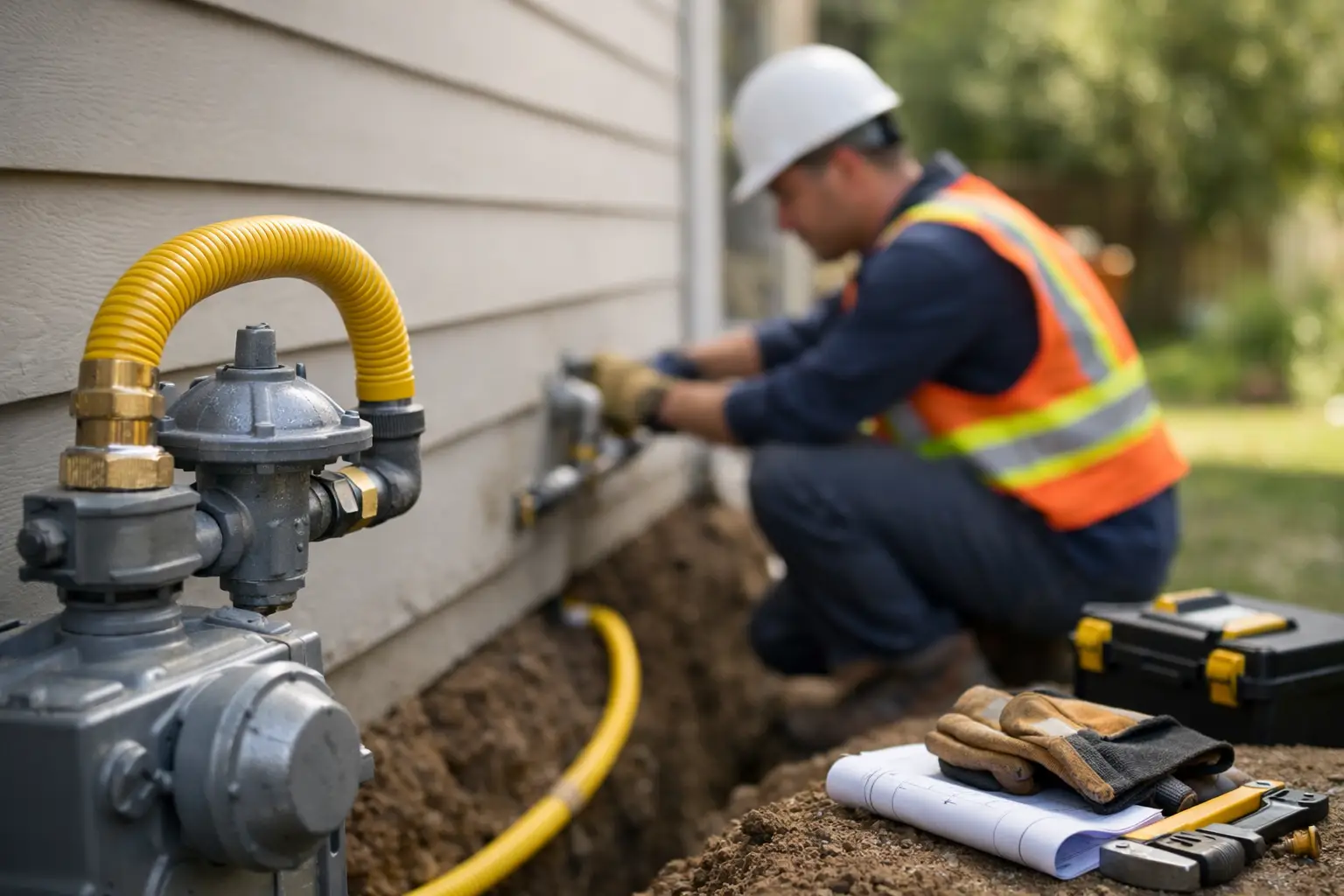
Learn how to prepare for gas line installation with simple steps that help protect your property, avoid delays, and support safe, code-compliant work.
A gas line installation usually starts long before any pipe is placed. The smoothest projects happen when the property owner knows what the crew will need, what areas must stay accessible, and what details can affect safety, scheduling, and final approval. If you are wondering how to prepare for gas line installation, the goal is simple: remove surprises before work begins.
For homeowners, that might mean clearing a path to an outdoor meter or deciding where a new gas appliance will go. For property managers and business owners, it often means confirming site access, tenant coordination, and who will be available to approve work on installation day. Good preparation does not make the project smaller, but it does make it safer, faster, and easier to manage.
Before any work begins, make sure you understand exactly what is being installed. A gas line for a kitchen range is a very different project from a line serving a pool heater, generator, water heater, or multiple commercial appliances. The route, pipe sizing, ventilation requirements, and permit needs can change based on the equipment and the building itself.
This is where clear communication matters. Share the full list of gas appliances involved, including anything planned for later. If you only prepare for today’s appliance but expect to add another gas load soon, that can affect how the system should be designed. In some cases, planning ahead avoids the need for additional changes later.
It also helps to know whether the installation is part of a remodel, new construction, equipment replacement, or service upgrade. Each situation brings different site conditions. A finished home needs more protection for walls, floors, and landscaping than an open construction site. A commercial property may need tighter scheduling to reduce disruption.
The first practical step is access. Gas professionals need a clear route to the work area, the meter location, and any appliance connection points. If gates are locked, pets are in the yard, vehicles are blocking access, or storage is stacked around the work zone, the job can slow down quickly.
Inside the property, move furniture, boxes, and breakable items away from walls or appliances near the installation area. Outside, trim back anything that blocks visibility or movement around the service path. You do not need to redesign your property for one project, but you do want the technicians to work safely without having to navigate unnecessary obstacles.
If the installation involves cutting into walls, ceilings, concrete, or exterior surfaces, ask in advance what areas may be affected. That gives you time to protect valuables and understand where temporary disruption may happen. Preparation is partly about convenience, but mostly about reducing avoidable risk.
For businesses, site readiness also means making the right people available. If a manager, maintenance lead, or building representative needs to approve access to utility areas, electrical rooms, rooftops, kitchens, or service corridors, that should be arranged before the crew arrives.
One of the most common causes of delay is missing equipment information. The installation team may need the manufacturer, model, fuel type, BTU demand, and location of each appliance being connected. Without accurate details, it is harder to confirm the right line size, shutoff placement, and overall system requirements.
If you already purchased the appliance, keep the product specifications available. If you have not purchased it yet, be upfront about that too. Sometimes the project can move forward with a general plan, and sometimes the exact unit matters. It depends on the type of installation and whether the appliance load could change the system design.
This is especially relevant for outdoor kitchens, standby generators, commercial cooking equipment, and tankless water heaters. These are not plug-and-play additions. They need proper planning, and the preparation stage is where many future issues are prevented.
Gas work is not the kind of project where assumptions help. Depending on the scope, local permit and inspection requirements may apply, and those steps are part of safe, compliant installation. Property owners do not need to become code experts, but they should know that permits and inspections are not side issues. They are central to doing the job correctly.
Ask what approvals are required for your project and what the general timeline looks like. Some installations move quickly. Others depend on inspection scheduling, utility coordination, or property-specific conditions. In South Florida, weather, municipal processes, and building type can all influence the pace.
If you live in a condo, townhome community, mixed-use property, or managed commercial building, there may also be association or building management rules that affect access, working hours, or documentation. That is worth confirming early. A technically ready project can still be delayed by administrative issues.
On installation day, safety starts with a controlled environment. Children and pets should be kept away from work areas. Occupants should know where technicians will be working and which areas may need to stay clear. If there is ongoing construction or another contractor on site, coordination matters.
It is also helpful to discuss whether utility shutoffs or temporary service interruptions are expected. Some projects require portions of the property to be inaccessible for part of the day. Others may involve testing procedures that need a quiet, stable work environment. Knowing that ahead of time helps you plan around it rather than react to it.
If your property has alarm systems, gate codes, restricted parking, loading zones, or freight elevator procedures, share those details before the appointment. Small access issues create real delays, especially on commercial sites or multi-unit properties.
Even with a solid plan, gas line installation sometimes reveals conditions that were not visible during the first conversation. Concealed framing, slab conditions, appliance relocation needs, limited clearance, or older infrastructure can all change the route or scope. That does not always mean a major problem. It often just means the installation has to be adjusted to stay safe and compliant.
This is why preparation should include flexibility. If a technician explains that the original route is no longer the best option, that is usually a sign the site is being evaluated responsibly, not that the process is off track. Good gas work is guided by the actual conditions on site, not just the simplest idea on paper.
For older homes and commercial buildings, this matters even more. Existing systems may not match current code expectations, and tying into older infrastructure can require additional steps. A dependable contractor will explain what is necessary and why.
If you want to know how to prepare for gas line installation without overcomplicating it, focus on communication. Be clear about the appliance, the property, the schedule, and any known restrictions. Mention prior gas service, remodeling history, access limitations, or anything unusual about the building. Details that seem minor to you may affect how the work should be approached.
It also helps to ask what the crew needs from you before arrival. Some customers assume preparation means technical knowledge. It usually does not. It means being available, informed, and ready to support access and decision-making if questions come up during the job.
For customers in Miami and surrounding areas, that can also include practical regional concerns like tight side yards, dense urban lots, hurricane-related exterior equipment planning, or property management rules in shared buildings. Local experience matters because site conditions are not the same everywhere.
Preparation should include the final stage too. Once the line is installed, there may be testing, inspection, appliance connection, and startup steps depending on the project. Ask what comes next so you know whether the job ends that day or moves into a final approval phase.
You should also know what documentation or instructions you will receive when the work is complete. That may include operating guidance, safety information, or confirmation of what was installed. For commercial properties, recordkeeping is often especially important for facility management.
A company like Prestige Gas Services Corp approaches this process with a safety-first mindset because gas installation is not just about getting fuel from one point to another. It is about protecting the property, the occupants, and the long-term reliability of the system.
The best preparation is simple: know your project, clear the path, share the right details, and work with a qualified gas professional who values safe, code-compliant execution. When those pieces are in place, the installation feels less stressful and far more predictable.
In this article
Discuss Your Gas Project
Contact Prestige Gas Services for natural gas and propane service in Miami-Dade and Broward counties. Request a free estimate.