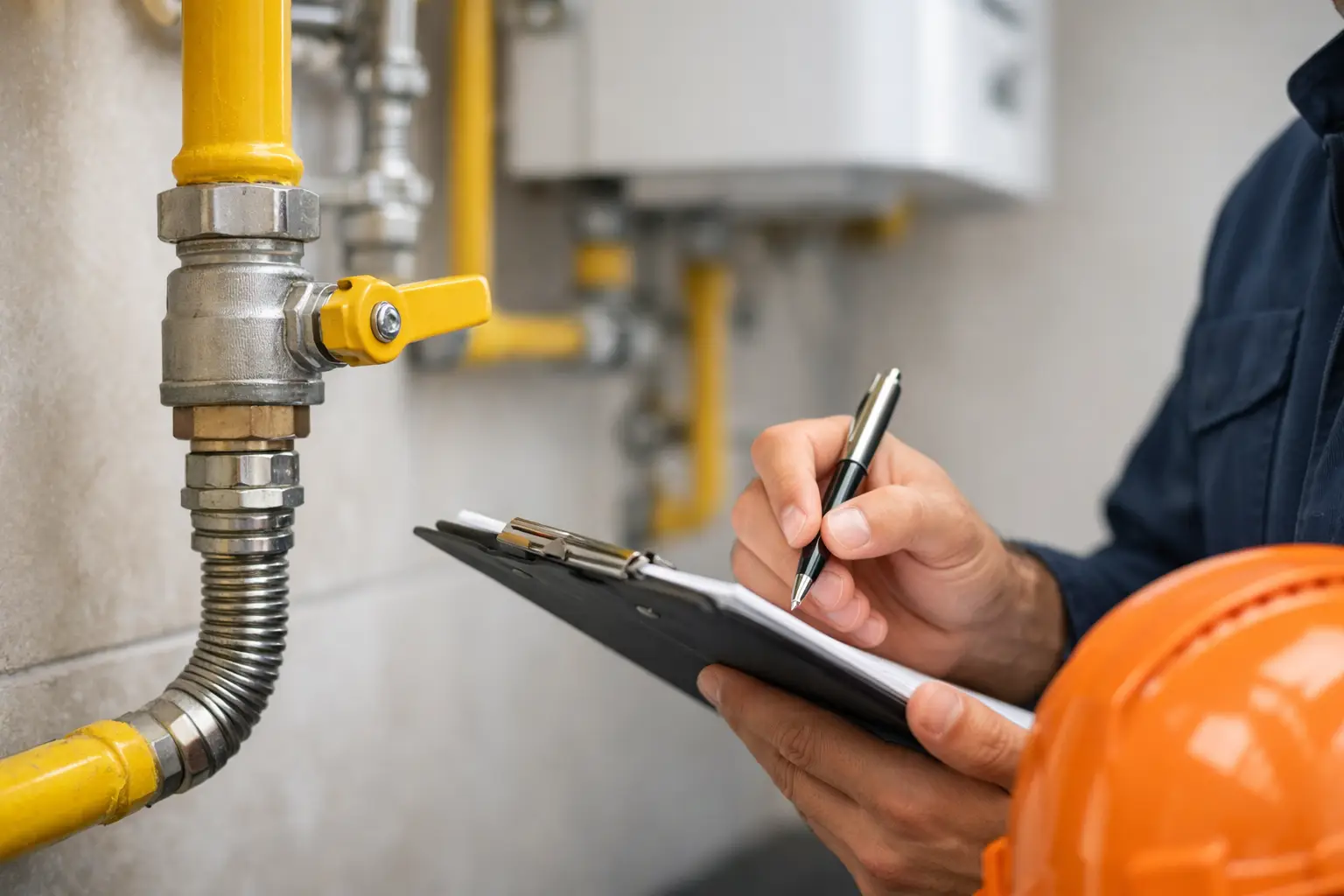
Is a permit needed for gas piping? Learn when permits are typically required, why inspections matter, and how to avoid delays on gas work.
If you’re planning a new gas line for a stove, water heater, dryer, generator, or commercial appliance, one question should come up early: is a permit needed for gas piping? In many cases, yes. Gas work is closely regulated because even a small mistake can create serious safety risks, code violations, or delays when it is time for inspection, utility connection, or property sale.
For homeowners and property managers, the confusion usually starts when a project seems minor. Adding one appliance or extending an existing line can feel straightforward on paper. But gas piping is not treated like a cosmetic upgrade. It affects fuel supply, combustion equipment, ventilation planning, pressure testing, and overall building safety. That is why permits are commonly required for new installations, line extensions, relocations, and many replacement projects.
Not always, but you should assume a permit may be required until a qualified gas professional confirms otherwise. The exact answer depends on the scope of work, local building requirements, the type of property, and whether the project changes the gas system itself.
A simple appliance swap may not trigger the same process as installing a completely new gas branch line. On the other hand, if the replacement changes pipe sizing, load calculations, shutoff valve locations, venting, or connection points, the work may still need permitting and inspection. That is where many property owners get caught off guard. What looks like a quick update can become a code-regulated gas piping project.
In South Florida, local enforcement can be strict for good reason. Gas systems must be installed and tested correctly in a region where residential and commercial properties often have varied layouts, additions, and equipment demands. Permits help ensure the work is reviewed for safety and compliance before the system is placed into service.
A permit is not just paperwork. It creates a documented process that helps protect the property, the occupants, and the owner.
When gas piping work is permitted, the project is usually reviewed for code compliance. That may include proper pipe sizing, approved materials, shutoff requirements, sediment traps where required, appliance compatibility, and pressure testing. An inspection also helps confirm that the installation matches the approved scope of work.
Without that process, there is a greater chance of hidden problems. Undersized gas lines can affect appliance performance. Improper connections can leak. Incorrect routing or unsupported piping can create long-term reliability issues. Even if the system appears to work, unpermitted gas work may cause trouble later during renovations, insurance questions, or a property transaction.
For commercial spaces, the stakes are often even higher. Restaurants, multifamily properties, retail spaces, and other business locations may have larger gas loads, multiple appliances, and stricter compliance requirements. In those cases, permit oversight is a routine part of responsible project planning.
Most new gas piping installations require a permit. This usually includes adding a gas line where none existed before, extending piping to serve a new appliance, relocating existing gas piping, or installing service for outdoor equipment such as generators, pool heaters, or kitchens.
Many appliance conversions also fall into this category. If a property is being changed from electric to natural gas for cooking, water heating, drying, or heating equipment, the gas piping portion of that work typically requires permitting.
Commercial tenant build-outs are another common example. If a business is installing or modifying gas-fired equipment, the piping work generally needs review and inspection. The same is often true when a property undergoes a larger renovation that affects utility systems.
Even repair work can cross into permit territory if the repair is substantial enough to alter the system configuration. Minor maintenance is one thing. Replacing sections of piping, rerouting lines, or reconnecting multiple fixtures is another.
This is where blanket advice can go wrong. Building departments do not treat every project exactly the same, and permit rules can vary by jurisdiction. The type of building matters. The fuel source matters. The occupancy use matters. Sometimes the utility provider’s requirements also affect the process.
That is why the safest approach is to have the scope reviewed before work begins. An experienced gas contractor can usually tell early on whether a permit is likely required and what the approval path looks like. That saves time and helps avoid project interruptions.
For property owners in Miami and surrounding areas, this local knowledge matters. South Florida projects often involve municipal review, coordination with inspectors, and careful documentation for gas service work. A contractor who handles gas installations regularly can keep the process clear and organized instead of leaving the owner to guess.
The immediate concern is safety, but that is not the only risk. Unpermitted gas piping can lead to failed inspections, correction notices, delays in utility activation, and complications when a property is sold or refinanced.
If a future inspector, buyer, or insurance representative asks whether the gas work was properly permitted and approved, missing documentation can become a problem fast. In some cases, the owner may need to open walls, expose piping, or pay for additional corrective work just to verify what was installed.
There is also the issue of liability. When gas work is done outside the proper process, the property owner may carry more risk if something goes wrong later. That is one reason professional, code-compliant installation is not just a technical detail. It is part of protecting the value and safe operation of the property.
In most cases, the licensed contractor performing the gas piping work handles the permit process. That is usually the best arrangement because the permit should match the actual scope of work, materials, and installation plan.
A qualified gas specialist can also coordinate the inspection stages, pressure testing, and any required corrections if an inspector asks for adjustments. For the customer, that creates a much smoother experience. Instead of trying to interpret technical requirements alone, you have a professional guiding the project from planning through approval.
This is especially helpful when the work involves multiple parts of the property, appliance changes, or commercial equipment. A dedicated gas service company is more likely to spot issues early, such as sizing concerns or equipment compatibility, before they slow down the job.
The fastest way to answer whether a permit is needed is to define the project clearly. Are you adding a new line, replacing an appliance with a different gas demand, relocating equipment, or connecting multiple appliances? Those details matter more than the idea that the job seems small.
It also helps to think beyond installation day. Will the project need inspection sign-off? Will the utility need documentation? Could the work affect future renovations or property records? If the answer to any of those is yes, permit questions should be addressed upfront.
For many customers, the smart move is simply to start with a professional site review or consultation. That gives you a clear picture of what the work involves, whether permitting is likely required, and how to move forward without unnecessary delays.
Gas piping is one of those systems where shortcuts rarely stay small. What begins as a simple appliance upgrade can quickly involve code requirements, inspections, and safety checks that protect everyone using the building.
If you are asking, is a permit needed for gas piping, you are already asking the right question. The next step is making sure the answer comes from a qualified gas professional who understands local requirements and treats the work with the seriousness it deserves. Prestige Gas Services Corp helps homeowners and commercial property owners handle gas projects with the kind of clear guidance, safe installation, and dependable support that keeps the process moving in the right direction.
A good gas installation should not leave you guessing. It should leave you confident that the work was done safely, properly, and with the right approvals in place.
In this article
Discuss Your Gas Project
Contact Prestige Gas Services for natural gas and propane service in Miami-Dade and Broward counties. Request a free estimate.